How Builders Risk Insurance Saves Colorado Contractors Money
See How We're Different
or call us: 1-800-969-9740
In the construction industry, financial risks are a constant concern. From unexpected weather conditions to theft and vandalism, there are numerous potential threats that can disrupt a project and lead to significant financial losses. This is where Builders Risk Insurance comes into play, especially for contractors in Colorado. This specialized form of insurance is designed to protect contractors from a wide range of risks associated with construction projects, ultimately saving them money in the long run.
The Basics of Builders Risk Insurance
Before diving into how Builders Risk Insurance saves money, it's essential to understand what this insurance type is and what it covers. Builders Risk Insurance, also known as course of construction insurance, is a type of property insurance that covers damage to buildings while they are under construction.
It's designed to protect contractors and project owners from financial losses due to damage or loss of construction materials, equipment, and structures caused by events such as fire, theft, vandalism, and certain weather-related incidents. The coverage typically begins when the construction starts and ends when the project is completed.
What Does Builders Risk Insurance Cover?
Builders Risk Insurance typically covers the cost of construction materials, labor, and equipment in the event of a covered loss. This includes materials and equipment on-site, in transit, or stored at other locations. It can also cover the cost of removing debris and cleaning up after a covered loss.
It's important to note that the coverage varies depending on the policy and the insurance provider. Some policies may also cover soft costs such as lost sales, rental income, and additional interest on loans if the completion of the project is delayed due to a covered loss.
How Builders Risk Insurance Saves Colorado Contractors Money
Now that we've covered the basics of Builders Risk Insurance, let's delve into how it can save Colorado contractors money. The primary way this insurance saves money is by providing financial protection against unexpected losses that can occur during the construction process.
Without this insurance, contractors would have to bear the financial burden of these losses, which could be substantial. By paying a premium for Builders Risk Insurance, contractors transfer these risks to the insurance company, thus protecting their bottom line.
Protection Against Weather-Related Losses
Colorado's diverse climate poses unique risks to construction projects. From heavy snowfall in the winter to thunderstorms in the summer, weather-related incidents can cause significant damage to construction materials and equipment, leading to costly delays and repairs.
Builders Risk Insurance provides coverage for these weather-related losses, saving contractors from the financial impact of these incidents. This is particularly beneficial for contractors in Colorado, where weather conditions can be unpredictable and severe.
Protection Against Theft and Vandalism
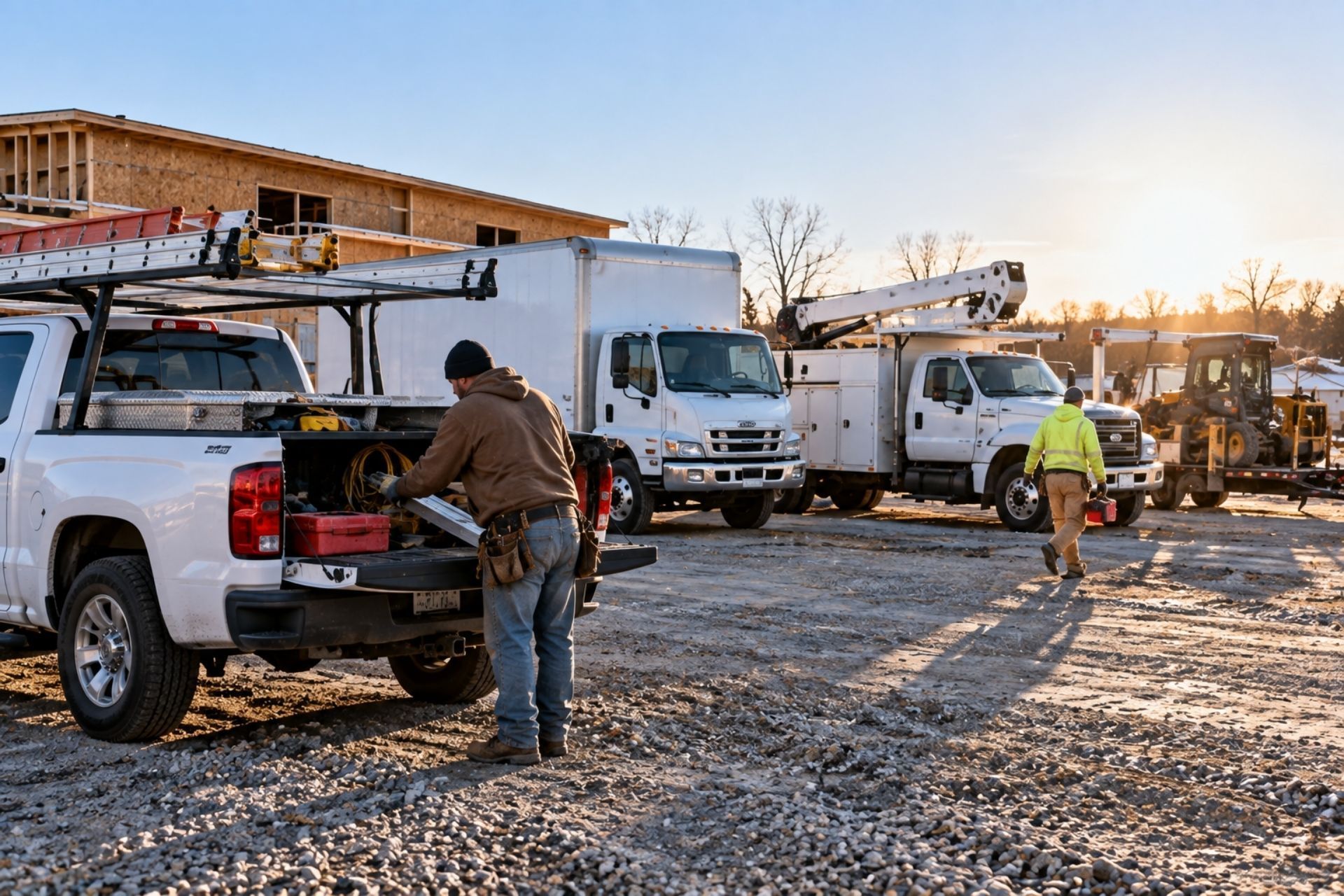
Theft and vandalism are common risks in the construction industry. Construction sites often house expensive equipment and materials, making them a prime target for thieves and vandals. The financial impact of these incidents can be significant, especially for smaller contractors.
Builders Risk Insurance covers losses due to theft and vandalism, thus saving contractors the cost of replacing stolen or damaged equipment and materials. This can result in substantial savings, especially for larger projects with high-value equipment and materials.
Choosing the Right Builders Risk Insurance
While Builders Risk Insurance can save contractors money, it's crucial to choose the right policy to ensure adequate coverage. Not all policies are created equal, and the coverage can vary significantly between different insurance providers.
When choosing a Builders Risk Insurance policy, contractors should consider factors such as the types of risks covered, the limits of coverage, the deductible, and the cost of the premium. It's also important to work with a reputable insurance provider with a solid track record in the construction industry.
Working with an Insurance Broker
One way to ensure that you're getting the best coverage for your needs is to work with an insurance broker. Brokers have extensive knowledge of the insurance market and can help you compare different policies and providers to find the best fit for your project.
They can also provide valuable advice on risk management and help you understand the fine print of your policy, ensuring that you're fully aware of what is and isn't covered. This can save you from costly surprises down the line and ensure that you're getting the most out of your Builders Risk Insurance.
Conclusion
In conclusion, Builders Risk Insurance is a crucial tool for contractors in Colorado. By providing financial protection against a wide range of risks associated with construction projects, it can save contractors significant amounts of money, especially in the face of unexpected incidents.
However, it's important to choose the right policy and work with a reputable provider to ensure adequate coverage. By doing so, contractors can focus on what they do best - building and delivering quality projects - without worrying about the financial impact of potential risks.