
Colorado Workers Comp for Directional Drillers

See How We're Different
or call us: 1-800-969-9740
Understanding Workers' Comp for Colorado's Directional Drilling Industry
A directional drilling rig operator in Fort Collins starts a routine bore under a busy intersection. Within seconds, the drill string binds, the machine lurches, and a crew member's arm gets caught between the pipe and the rack. This scenario plays out more often than contractors want to admit, and it's exactly why workers compensation insurance for directional drilling contractors in Colorado isn't optional.
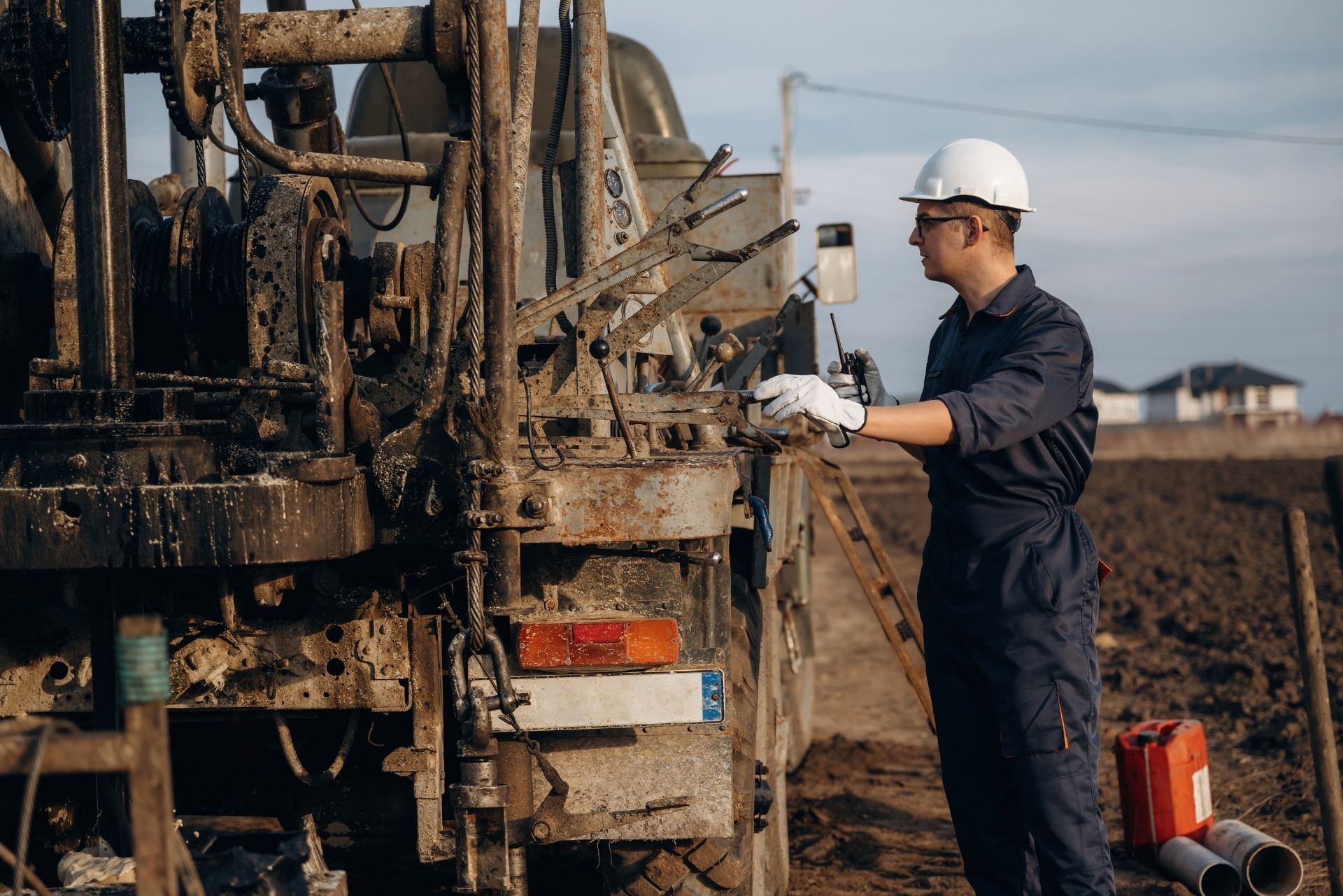
Colorado's directional drilling sector has grown alongside infrastructure expansion, fiber optic installation, and utility replacement projects. The work happens underground, under pressure, and often in tight urban corridors where one wrong move can mean serious injury. Your crew faces hazards that most industries never encounter: high-torque equipment, underground utilities, confined spaces, and the constant physical demands of handling heavy pipe and tooling.
Workers comp coverage protects both your employees and your business when injuries happen. Without it, you're personally liable for medical bills, lost wages, and potential lawsuits. Colorado law doesn't give you a choice here. If you have employees, you need coverage. The penalties for operating without it can shut down your operation entirely.
Understanding how this coverage works specifically for HDD contractors helps you make smarter decisions about your policy, your safety programs, and your response when someone gets hurt on the job.
State-Mandated Coverage Requirements
Colorado requires all employers to carry workers compensation insurance, with very few exceptions. Sole proprietors and partners can exempt themselves, but the moment you hire an employee, even part-time, you need a policy in place. The Division of Workers' Compensation doesn't care if your crew consists of one laborer or fifty operators.
Penalties for non-compliance hit hard. Fines can reach $250 per day for each day you operate without coverage, plus you become personally liable for all injury-related costs. The state can also issue stop-work orders that halt your projects mid-bore.
Most drilling contractors purchase coverage through private insurers, though Colorado's assigned risk pool exists for businesses that can't find coverage elsewhere. Given the high-risk nature of HDD work, expect to pay higher premiums than general construction contractors.
Unique Risks of Horizontal Directional Drilling (HDD)
HDD operations create hazards that standard construction work doesn't involve. The drilling process generates tremendous torque and pulling forces. Drill strings can whip unexpectedly when they break free from obstructions. Mud systems operate under pressure, and blowouts can spray drilling fluid across the jobsite.
Your crew works around rotating equipment, heavy pipe handling, and excavation hazards simultaneously. The locator walking the bore path faces traffic exposure and potential contact with unmarked utilities. Operators experience whole-body vibration from the rig, and laborers perform repetitive lifting throughout every shift.
These specific hazards affect your classification codes and premium calculations. Insurers who understand HDD work price policies more accurately than those who lump you into
generic excavation categories.
Common Workplace Injuries and Occupational Hazards
Directional drilling injuries tend to fall into predictable patterns. Understanding these helps you implement targeted safety measures and prepare for the claims process when incidents occur.
Equipment-Related Accidents and Crush Injuries
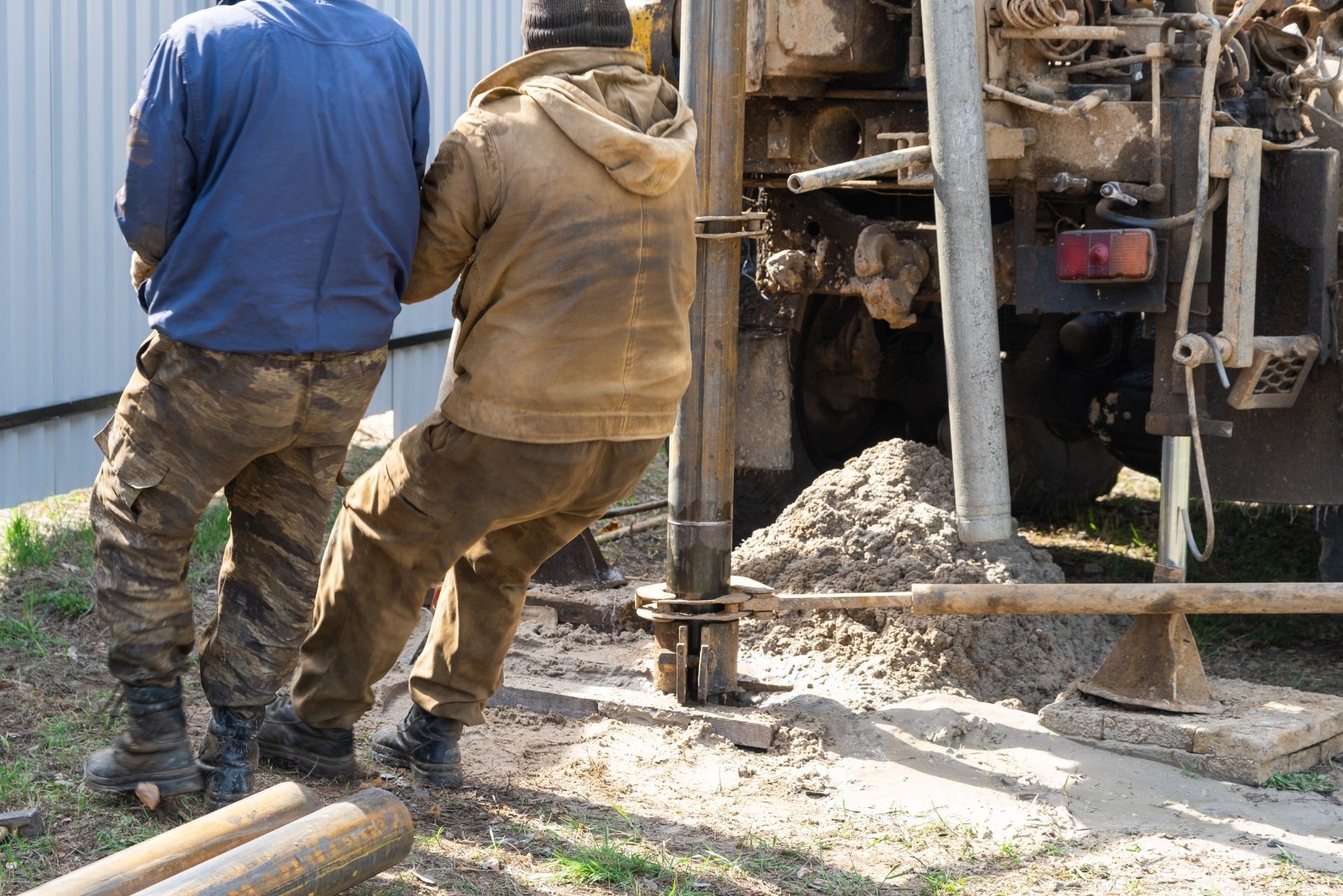
The drill rig itself presents the greatest immediate danger. Crush injuries happen when workers get caught between the pipe rack and drill string, between the machine and obstacles, or under dropped pipe sections. These injuries often involve hands, arms, and feet.
Hydraulic system failures can cause sudden, violent equipment movements. Breakaway events, where the drill string separates under tension, send components flying with lethal force. One Colorado contractor reported a reamer connection failure that launched a section of drill rod through the cab of a pickup truck parked 40 feet away.
Burns from hot drilling fluid, lacerations from broken tooling, and eye injuries from flying debris round out the common equipment-related incidents. These claims typically involve significant medical costs and extended recovery periods.
Repetitive Stress and Long-Term Health Impacts
Not every injury happens in a dramatic moment. Many directional drilling workers develop chronic conditions from the cumulative physical demands of the job. Lower back injuries from lifting and twisting while handling pipe affect a large percentage of drilling personnel.
Shoulder and rotator cuff problems develop from overhead work and repetitive arm movements. Carpal tunnel syndrome appears in workers who spend years operating control systems and handling tools. These conditions qualify for workers comp coverage in Colorado, though proving work-relatedness requires documentation of job duties and medical causation.
Hearing loss from prolonged equipment noise exposure also qualifies as a compensable occupational disease. Colorado recognizes these gradual-onset conditions, but the claims process differs from acute injury claims.
Underground Utility Strikes and Electrocution Risks
Striking unmarked or mismarked utilities creates immediate danger. Electrical contact can kill operators and crew members instantly. Gas line strikes create explosion and fire hazards. Even water main strikes can cause drowning risks in excavated areas.
Colorado's One-Call system helps, but it doesn't eliminate risk. Utilities get mislocated, private lines go unmarked, and abandoned infrastructure surprises even experienced crews. When strikes happen, the resulting injuries often involve burns, electrical damage, or traumatic injuries from explosions.
These incidents frequently involve multiple injured workers and generate complex claims. Third-party liability questions can complicate the workers comp process when utility companies share fault.
By: John R. Thomas
Commercial Lines Director and Managing Partner at Loft & Co Insurance Services
Filing a workers comp claim in Colorado follows specific procedures. Missing deadlines or skipping steps can jeopardize your employee's benefits and create liability for your company.
Reporting Timelines and Legal Deadlines
Injured workers must report their injury to you within four working days of when they knew or should have known the injury was work-related. You then have 10 days to report the injury to your insurance carrier. These deadlines matter because late reporting can result in reduced benefits or claim denial.
For occupational diseases like hearing loss or repetitive stress injuries, the clock starts when a physician diagnoses the condition and connects it to work activities. This can happen years after the actual exposure began.
You're required to post notice of workers comp coverage in a visible location at your jobsite. The posted information must include your carrier's name and contact details. Failure to post properly can extend filing deadlines and create compliance issues.
Designated Medical Providers and Treatment Rights
Colorado allows employers to select designated medical providers for initial treatment. You can require injured workers to see specific physicians for the first visit, which gives you some control over treatment quality and return-to-work planning.
After initial treatment, employees can request a one-time change of physician. They can also seek emergency treatment anywhere without restriction. Understanding these rules helps you guide injured workers through the system while protecting your interests.
| Aspect | Employer Rights | Employee Rights |
|---|---|---|
| Initial Treatment | Designate provider | Emergency care anywhere |
| Provider Change | None after designation | One-time change allowed |
| Second Opinion | Can request IME | Can request through DOWC |
| Treatment Duration | Return-to-work input | Continued care until MMI |
Calculating Benefits for Specialized Drilling Personnel
Workers comp benefits in Colorado follow formulas based on wages and injury severity. Drilling personnel often earn above-average wages, which affects benefit calculations.
Wage Replacement and Disability Classifications
Temporary total disability benefits pay two-thirds of the worker's average weekly wage, up to a state maximum that adjusts annually. For 2024, that maximum sits at $1,181.47 per week. High-earning drill operators and experienced locators often hit this cap.
Temporary partial disability applies when workers can perform some duties but not their full job. The benefit equals two-thirds of the difference between pre-injury wages and current earning capacity.
Permanent impairment ratings come into play when workers reach maximum medical improvement with lasting functional limitations. Colorado uses scheduled ratings for specific body parts and whole-person ratings for more complex injuries.
Vocational Rehabilitation for Career Transitions
Severe injuries sometimes prevent workers from returning to drilling work. Colorado's workers comp system provides vocational rehabilitation benefits to help injured workers transition to new careers. This can include job training, education assistance, and job placement services.
For a drill operator who loses hand function, vocational rehab might fund training in equipment inspection, project management, or another field that accommodates their limitations. These benefits extend the support period significantly beyond initial medical treatment.
Overcoming Denied Claims and Disputes
Not every claim proceeds smoothly. Insurers deny claims for various reasons, and disputes require specific resolution procedures.
Common Reasons for Claim Rejection
Insurers deny drilling injury claims most often for these reasons: late reporting, disputed work-relatedness, pre-existing conditions, and alleged intoxication. Drug testing after injuries has become standard, and positive results can complicate claims even when impairment didn't cause the incident.
Repetitive stress claims face higher denial rates because proving work causation requires detailed medical opinions. If a worker has performed similar physical labor for multiple employers, insurers argue about which employment caused the condition.
The Role of an Attorney in Complex Drilling Cases
Workers can navigate simple claims without legal help, but complex cases benefit from attorney involvement. Attorneys work on contingency in Colorado workers comp cases, taking a percentage of recovered benefits rather than upfront fees.
Cases involving permanent disability, disputed causation, or employer retaliation often require legal representation. Attorneys understand how to present medical evidence, challenge independent medical examinations, and negotiate settlements that account for future medical needs.
Your workers comp premiums directly reflect your claims history. Colorado uses an experience modification rate that adjusts premiums based on your three-year claims record. Fewer claims mean lower premiums.
Implementing formal safety programs, conducting regular equipment inspections, and providing documented training all reduce injury frequency. Some insurers offer premium credits for specific safety certifications or programs.
Return-to-work programs that bring injured employees back to modified duties reduce claim costs significantly. A locator recovering from a knee injury might handle office tasks or equipment maintenance while healing. These programs keep claims costs down and help workers maintain income and engagement.
Frequently Asked Questions
How much does workers comp cost for directional drilling contractors in Colorado? Premiums typically range from $8 to $15 per $100 of payroll, depending on your experience modification rate and specific classification codes. New contractors without claims history usually pay mid-range rates.
Can I exclude myself as an owner from workers comp coverage? Sole proprietors and partners can file exemption forms with the state. However, general contractors and project owners often require proof of coverage for everyone on site, including owners.
What happens if a subcontractor I hire doesn't have coverage? You become responsible for their workers comp claims. Colorado law holds general contractors liable for uninsured subcontractors' injuries. Always verify coverage before allowing subs on your projects.
How long do workers have to file a claim after an injury? The statute of limitations is two years from the date of injury or from when the worker knew the condition was work-related. However, delayed reporting can still affect benefit amounts.
Do I need separate coverage for each Colorado project location? No. Your workers comp policy covers employees across all Colorado worksites. You do need to ensure coverage extends to any out-of-state work if your projects cross borders.
Getting workers compensation insurance for directional drilling contractors in Colorado right protects your business and your people. Start by reviewing your current coverage with an agent who understands HDD operations. Verify your classification codes match your actual work, implement documented safety programs, and establish clear injury reporting procedures before someone gets hurt.
The drilling industry rewards contractors who manage risk effectively. Your workers comp program is a core part of that risk management strategy.
About The Author:
John R. Thomas
As Commercial Lines Director and Managing Partner at Loft & Co Insurance Services, I specialize in crafting strategic insurance solutions for businesses—especially contractors, real estate owners, logistics firms, and industry-specific operations. With years of experience in risk management and policy design, I’m committed to delivering clarity, value, and protection that helps you focus on growth.
Contact Us
Risk Management from Real Experts With You in Charge
Professional Policies Designed For Your Business.
Enjoy tailored insurance and risk management solutions customized to your industry and business size.

Colorado Commercial Insurance Blog



Contact Us
Phone
Location
Denver
5990 Greenwood Plaza Blvd, Ste 270
Greenwood Village, CO 80111
Des Moines
130 E 3rd St. Ste 201
Des Moines, IA 50309