
Equipment Floater Insurance for Colorado Drillers

See How We're Different
or call us: 1-800-969-9740
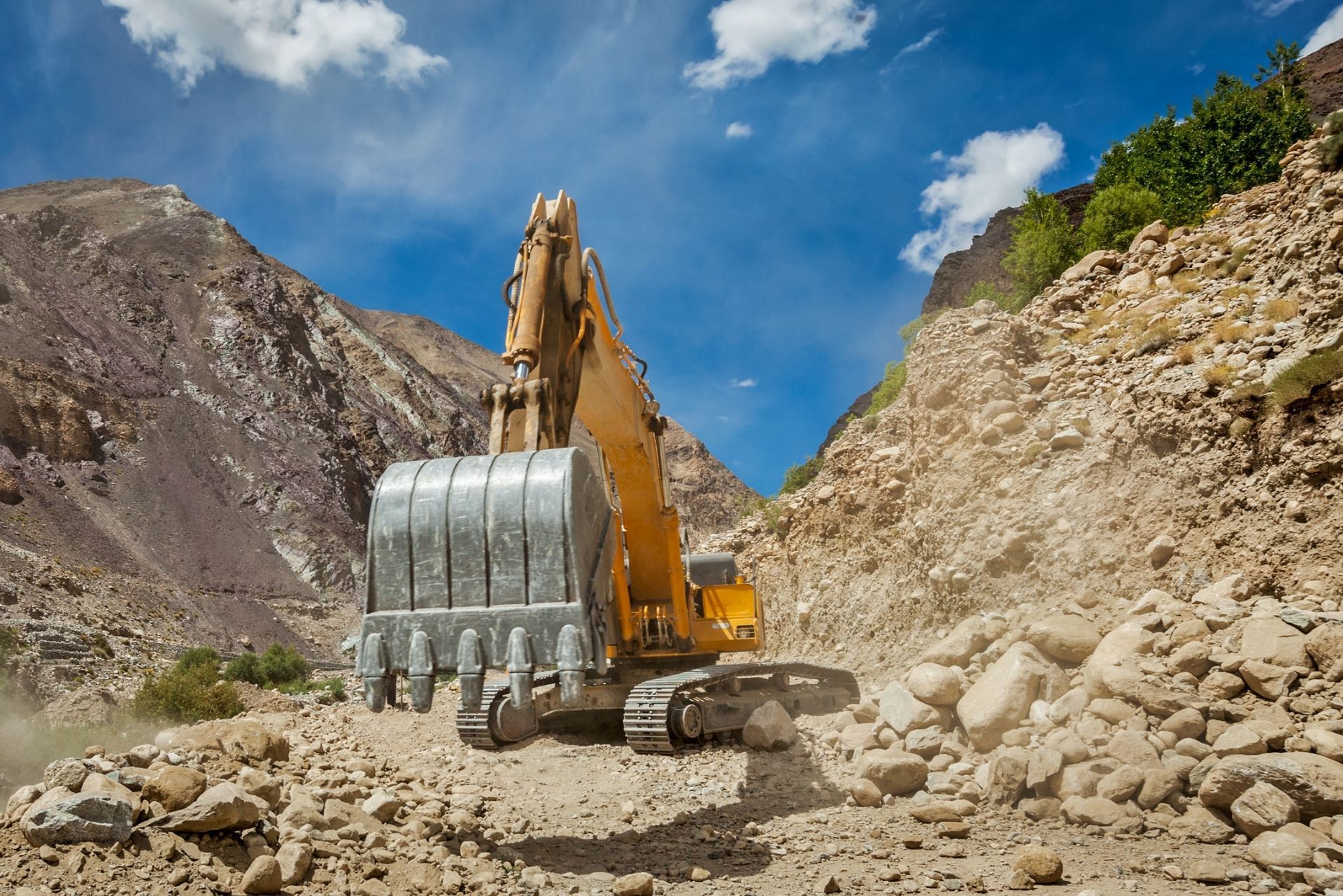
A single directional drilling rig can represent a $500,000 investment, and that machine rarely stays in one place. One week it's boring beneath a highway in Fort Collins, the next it's navigating tight utility corridors in Colorado Springs. This mobility creates a coverage gap that catches many contractors off guard. Standard commercial property policies are designed for assets that stay put, like buildings, office equipment, and warehouse inventory. Your drilling equipment doesn't fit that mold, and neither should your insurance approach.
Equipment floater insurance for directional drilling contractors in Colorado addresses this reality head-on. It's a specialized policy that travels with your machinery, providing protection whether your rig is operating at 10,000 feet elevation in the mountains or sitting on a trailer headed to the next job site. Colorado's unique combination of extreme weather, remote work locations, and varied terrain makes this coverage particularly critical for local drilling operations. Without it, you're essentially self-insuring some of your most valuable business assets during their most vulnerable moments.
The difference between a minor setback and a business-ending loss often comes down to whether you secured the right floater policy before disaster struck.
The Role of Equipment Floaters in Colorado's Drilling Industry
Directional drilling contractors operate in a world where their most expensive assets are constantly in motion. Unlike a retail store or manufacturing facility, your business model requires equipment to leave your premises daily. This fundamental difference demands insurance solutions built for mobile operations.
Why Standard Property Insurance Falls Short for Mobile Assets
Your commercial property policy likely contains a coverage territory clause limiting protection to your listed business locations. The moment your horizontal directional drill leaves your yard, that coverage becomes questionable at best. Most property policies also exclude equipment while in transit, creating a dangerous gap during highway transport between job sites.
We've seen contractors assume their general liability or commercial auto policies would cover equipment damage. They don't. General liability protects against third-party claims, not damage to your own machinery. Commercial auto covers the truck and trailer, but that $300,000 drill head sitting on the flatbed? That's a separate exposure entirely.
Protecting Rigs and Tools Across Varied Job Sites
An equipment floater provides "all-risk" coverage that follows your machinery wherever work takes you. Whether you're drilling in downtown Denver, running utilities through a mountain subdivision, or completing a crossing beneath the South Platte River, your equipment maintains consistent protection.
This coverage typically extends to drill rigs, locating equipment, mud mixing systems, generators,
vacuum excavators, and the specialized tooling that makes directional drilling possible. The policy doesn't care whether the equipment sits at your shop, operates on a job site, or travels between locations. That flexibility matches how
drilling contractors actually work.
By: John R. Thomas
Commercial Lines Director and Managing Partner at Loft & Co Insurance Services
Addressing Colorado-Specific Environmental and Operational Risks
Colorado presents challenges you won't find in most other states. The combination of altitude, weather extremes, and remote job locations creates exposures that generic insurance products often miss.
High-Altitude Weather and Rugged Terrain Challenges
Drilling operations in mountain communities face weather that can shift dramatically within hours. A clear morning in Breckenridge can turn into a hailstorm by afternoon, with ice chunks large enough to damage exposed equipment. Winter operations bring additional risks: frozen hydraulic lines, ice accumulation on electronics, and snow loads that can collapse equipment covers.
The terrain itself poses threats. Rocky soil conditions stress drilling components beyond normal wear patterns. Steep grades during transport increase the risk of load shifts and equipment damage. Even the reduced air density at altitude affects engine performance and can accelerate wear on certain mechanical components.
Theft and Vandalism Risks in Remote Mountain Locations
Remote job sites in Colorado's mountains often sit unattended overnight or over weekends. Cell service may be spotty, making real-time monitoring difficult. These conditions create opportunities for equipment theft that urban job sites don't typically face.
Copper theft remains a persistent problem, with thieves targeting wiring and components from unattended equipment. Vandalism also occurs, sometimes from individuals opposed to development projects. A comprehensive floater policy should cover both theft and malicious damage, though you'll want to verify coverage limits and any security requirements your insurer mandates for remote locations.
Core Coverage Components for Drilling Equipment
Understanding what your floater policy actually covers helps you avoid surprises when filing claims. Not all policies are created equal, and the details matter significantly.
In-Transit Protection for Moving Machinery
Transit coverage protects your equipment during transport between job sites. This includes loading and unloading operations, which represent high-risk moments for damage. A drill rig sliding off a trailer or a locator getting crushed during loading can result in substantial losses.
Quality floater policies cover equipment on any vehicle, not just your owned trucks. If you hire a third-party hauler or borrow a trailer from another contractor, your equipment should still maintain protection. Verify this with your insurer, as some policies restrict coverage to company-owned transport vehicles.
Replacement Cost vs. Actual Cash Value Options
This distinction affects your claim payout dramatically. Actual cash value policies deduct depreciation from your settlement. That five-year-old drill rig you paid $400,000 for might only generate a $200,000 claim payment after depreciation calculations.
Replacement cost coverage pays what it actually costs to replace damaged equipment with comparable machinery. The premium difference between these options is typically modest compared to the potential claim impact.
For most contractors, replacement cost coverage makes financial sense.
| Coverage Type | How It Pays | Best For |
|---|---|---|
| Actual Cash Value | Current market value minus depreciation | Older equipment near retirement |
| Replacement Cost | Current market value minus depreciation | Core operational machinery |
| Agreed Value | Pre-determined amount regardless of depreciation | Specialized or custom equipment |
Rented, Leased, or Borrowed Equipment Endorsements
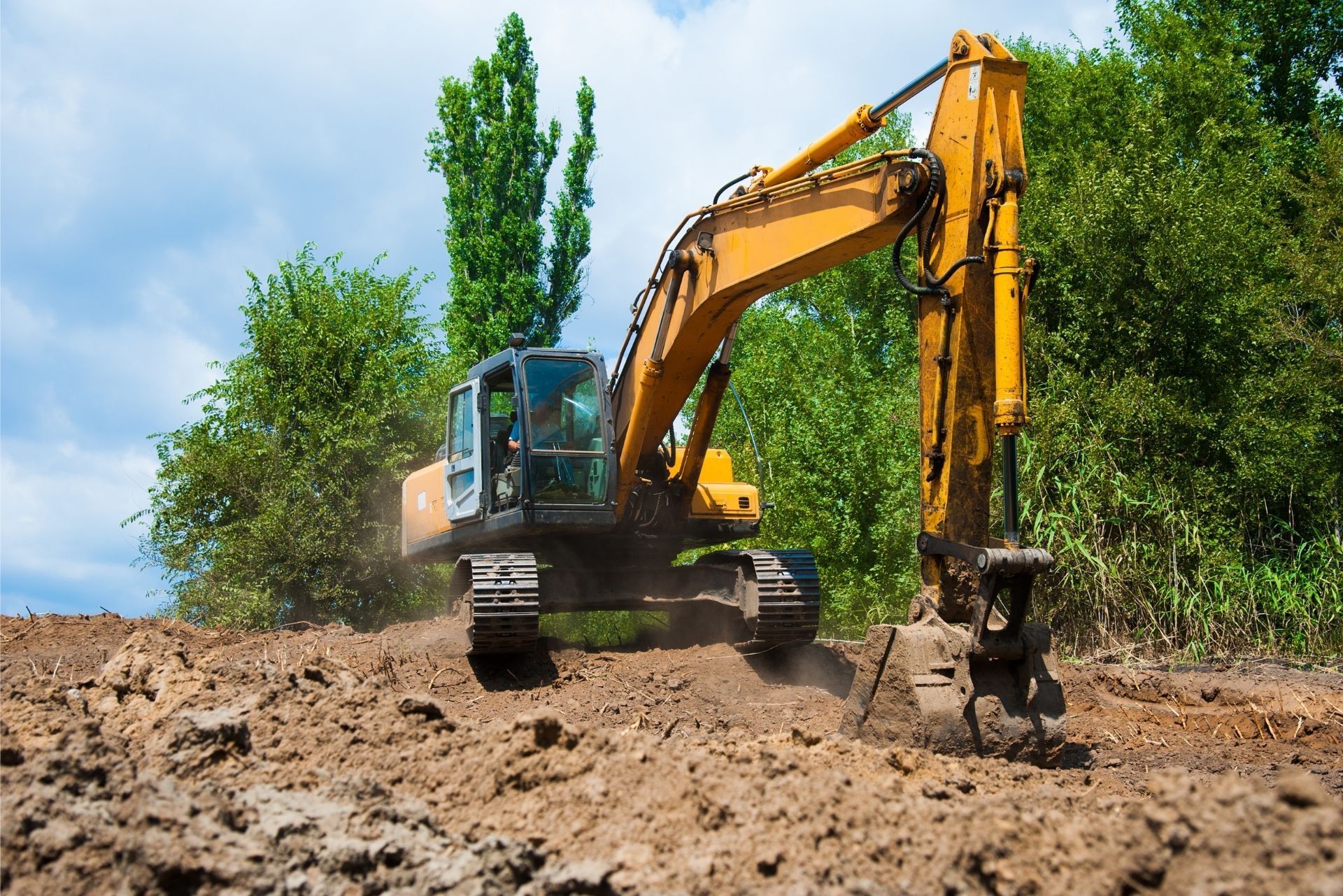
Many drilling contractors supplement their fleet with rented equipment during busy periods. Standard floater policies may exclude equipment you don't own. A rented equipment endorsement extends coverage to machinery you've temporarily acquired from rental houses or other contractors.
Leased equipment presents similar concerns. The leasing company typically requires you to insure the equipment, but your base floater policy might not automatically cover leased items. Review your lease agreements alongside your insurance policy to identify any gaps.
Common Exclusions and Policy Limitations to Monitor
Every insurance policy contains exclusions, and floater policies are no exception. Knowing these limitations helps you plan accordingly and avoid claim denials.
Wear and Tear vs. Sudden Accidental Damage
Floater policies cover sudden, accidental damage, not gradual deterioration. A drill bit that breaks from striking an unexpected obstacle is covered. A drill bit that wears down over months of normal use is not. This distinction seems straightforward but creates gray areas in practice.
Corrosion damage often falls into exclusion territory unless it results from a covered event. Hydraulic hoses that fail from age and exposure typically aren't covered, but hoses damaged by a vehicle collision would be. Document equipment condition regularly so you can demonstrate that damage was sudden rather than gradual.
Mechanical Breakdown and Electrical Failure Gaps
Standard floater policies often exclude mechanical breakdown and electrical failure. Your drill rig's engine seizing due to an internal defect likely won't trigger coverage. Neither will a control panel failure from electrical component burnout.
Equipment breakdown coverage, sometimes called mechanical breakdown insurance, fills this gap. It functions similarly to an extended warranty but through your insurance carrier. For expensive machinery with complex electronic systems, this endorsement deserves serious consideration.
Your premium reflects the risk you present to insurers. Understanding these factors helps you manage costs while maintaining appropriate coverage.
Impact of Equipment Age and Maintenance Logs
Insurers view well-maintained equipment as lower risk. Detailed maintenance records demonstrate that you're proactive about equipment care, which correlates with fewer claims. Some insurers offer premium credits for contractors who maintain comprehensive service logs.
Equipment age affects premiums in multiple ways. Older machinery may cost less to insure on an actual cash value basis simply because its value has depreciated. On a replacement cost basis, age might increase premiums if the equipment requires more frequent repairs or represents outdated technology that's expensive to replace.
The Importance of Specialized Safety Training Programs
Operators with formal training cause fewer accidents. Insurers recognize this correlation and often reward contractors who invest in operator certification programs. Directional Drilling Association training, manufacturer certification courses, and documented safety programs can all influence your premium.
Beyond direct premium impacts, trained operators reduce claim frequency. Fewer claims mean better loss ratios, which lead to more favorable renewal terms. The investment in training pays dividends through both insurance savings and reduced equipment damage.
Steps to Securing a Comprehensive Floater Policy
Start by creating a detailed equipment schedule listing every item you want covered. Include serial numbers, purchase dates, original costs, and current values. Photograph each piece of equipment and store images securely.
Work with an insurance agent who understands drilling operations. Generic commercial agents may not recognize the specific exposures your business faces. Ask potential agents about their experience with contractors' equipment and request references from other drilling companies they serve.
Request quotes from multiple carriers, but compare coverage terms alongside premium costs. The cheapest policy often contains exclusions or limitations that make it inadequate for your actual risk profile. A slightly higher premium for broader coverage usually represents better value.
Frequently Asked Questions
Does my equipment floater cover damage from drilling into underground utilities? No. Damage you cause to third-party property is a liability exposure, not a property loss. Your general liability policy addresses utility strikes, not your floater.
What happens if stolen equipment is recovered after I've received a claim payment? Most policies require you to return the claim payment if equipment is recovered in good condition. If it's recovered damaged, you may keep a portion of the payment to cover repairs.
Can I add newly purchased equipment to my policy mid-term? Yes. Most floaters include automatic coverage for new acquisitions, typically for 30 to 90 days. You'll need to report the equipment and adjust your premium, but coverage begins immediately.
Are attachments and accessories covered separately from the main equipment? It depends on your policy structure. Some floaters cover attached items automatically; others require them to be scheduled individually. Verify how your policy handles drill bits, reamer heads, and other tooling.
Does coverage apply when my equipment is being serviced at a repair facility?
Generally yes, though some policies have limitations. Confirm that your floater covers equipment at locations other than your premises and active job sites.
Making the Right Coverage Decision
Equipment floater coverage for Colorado drilling contractors isn't optional if you're serious about protecting your business. The combination of high-value mobile assets, challenging environmental conditions, and remote work locations creates exposures that standard policies simply don't address. Taking time now to secure proper coverage prevents financial devastation when equipment damage inevitably occurs. Contact an insurance professional who understands the drilling industry to review your current coverage and identify any gaps that could leave your business vulnerable.
About The Author:
John R. Thomas
As Commercial Lines Director and Managing Partner at Loft & Co Insurance Services, I specialize in crafting strategic insurance solutions for businesses—especially contractors, real estate owners, logistics firms, and industry-specific operations. With years of experience in risk management and policy design, I’m committed to delivering clarity, value, and protection that helps you focus on growth.
Contact Us
Risk Management from Real Experts With You in Charge
Professional Policies Designed For Your Business.
Enjoy tailored insurance and risk management solutions customized to your industry and business size.

Colorado Commercial Insurance Blog
Contact Us
Phone
Location
Denver
5990 Greenwood Plaza Blvd, Ste 270
Greenwood Village, CO 80111
Des Moines
130 E 3rd St. Ste 201
Des Moines, IA 50309