
Commercial Auto Insurance for Colorado Boring

See How We're Different
or call us: 1-800-969-9740
A directional boring rig worth $400,000 sits idle on I-70 near Vail Pass after a collision with a distracted driver. The operator's commercial auto policy covers the truck, but the specialized drilling equipment mounted on it? That's a gray area that could cost the contractor tens of thousands out of pocket. This scenario plays out more often than you'd expect across Colorado's construction industry, where boring contractors face unique risks that standard commercial vehicle policies weren't designed to address.
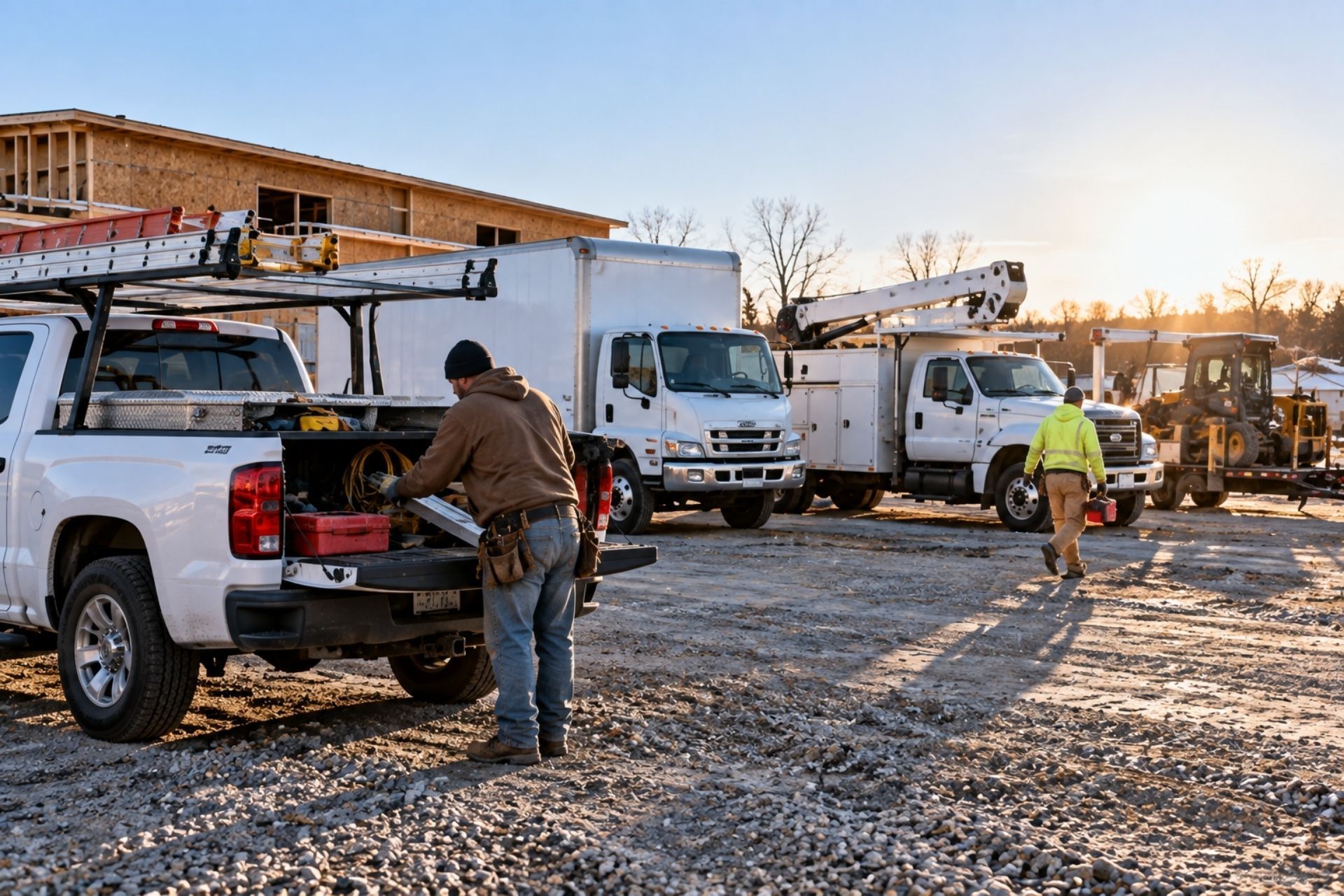
Commercial auto insurance for directional boring contractors in Colorado requires careful consideration of factors that don't apply to typical trucking operations. Your fleet likely includes everything from compact locator trucks to
massive vacuum excavators, each with different coverage needs. The state's challenging terrain, unpredictable weather, and strict regulatory environment add layers of complexity that contractors in flatter, milder climates don't face. Understanding how these policies work, what they cover, and where gaps exist can mean the difference between a manageable claim and a business-ending loss.
The Necessity of Commercial Auto Coverage for Boring Operations
Directional boring contractors operate in a high-stakes environment where a single accident can generate six-figure liability claims. Your vehicles transport expensive equipment through congested work zones, residential neighborhoods, and remote mountain locations. The combination of heavy loads, specialized machinery, and varied driving conditions creates risk exposure that personal auto policies simply won't cover.
Colorado Legal Requirements for Commercial Vehicles
Colorado mandates minimum liability coverage for commercial vehicles based on weight and use. Vehicles over 10,000 pounds gross vehicle weight rating require at least $750,000 in liability coverage when operating commercially. If you're transporting hazardous materials, including drilling fluids or fuel for your equipment, federal requirements push that minimum to $1 million or higher.
The Colorado Public Utilities Commission also requires specific filings for certain commercial vehicles, and operating without proper coverage can result in fines, vehicle impoundment, and loss of your contractor's license. Many municipal contracts won't even consider bids from contractors who can't demonstrate adequate insurance certificates.
Risks Specific to Trenchless Technology and Drilling
Boring operations create risks that go beyond typical vehicle accidents. Your trucks often operate in tight spaces near underground utilities, pedestrian areas, and active traffic. A boring rod that shifts during transport can damage other vehicles or injure workers at a job site. Drilling fluid spills from vacuum trucks create environmental liability and road hazards.
The equipment itself presents unique challenges. Boring rigs extend well beyond standard truck dimensions, creating blind spots and maneuverability issues. Support vehicles frequently stop in traffic lanes, increasing rear-end collision exposure. These operational realities demand coverage designed for your specific industry.
By: John R. Thomas
Commercial Lines Director and Managing Partner at Loft & Co Insurance Services
Core Components of a Boring Contractor Policy
A properly structured commercial auto policy for boring contractors includes several interconnected coverages that work together to protect your business.
Liability Protection for Property Damage and Bodily Injury
Liability coverage pays for damage you cause to others, including their property, vehicles, and medical expenses. For boring contractors, this extends beyond typical collision scenarios. If your truck damages a curb, landscaping, or underground utility line while positioning at a job site, liability coverage responds.
Most contractors need at least $1 million in combined single limit liability, though larger operations or those working on government contracts often require $2 million or more. This coverage protects your business assets when you're at fault in an accident.
Comprehensive and Collision for Specialized Equipment
Collision coverage pays to repair or replace your vehicles after accidents, regardless of fault. Comprehensive covers non-collision losses like theft, vandalism, fire, and weather damage. For boring contractors, comprehensive coverage becomes critical given Colorado's hail storms, which regularly total vehicles along the Front Range.
The key consideration here is valuation. Standard policies may use actual cash value, which depreciates your vehicles and equipment over time. Agreed value or replacement cost endorsements ensure you receive enough to actually replace specialized equipment after a total loss.
Uninsured and Underinsured Motorist Coverage
Colorado requires uninsured motorist coverage, but many contractors underestimate its importance. Approximately 12% of Colorado drivers lack insurance, and that percentage climbs in rural areas where boring contractors frequently work. Underinsured motorist coverage kicks in when the at-fault driver's policy limits aren't enough to cover your damages.
For a fleet of expensive boring equipment, carrying high UM/UIM limits protects your investment when other drivers cause accidents but can't pay for the damage they create.
Insuring Specialized Boring Rigs and Support Fleets
The equipment boring contractors use doesn't fit neatly into standard insurance categories, creating coverage gaps that can surprise you at claim time.
Distinguishing Between Auto and Inland Marine Coverage
Here's where many contractors get burned. Commercial auto policies cover vehicles, but equipment permanently attached to those vehicles often falls into a gray area. A boring rig mounted on a truck chassis might be covered as part of the vehicle, or it might require separate inland marine coverage as "contractor's equipment."
| Coverage Type | What It Covers | Best For |
|---|---|---|
| Commercial Auto | Licensed vehicles, permanently mounted equipment | Trucks, vans, service vehicles |
| Inland Marine | Portable equipment, tools, detachable machinery | Boring heads, locating equipment, portable generators |
| Equipment Floater | High-value specialized machinery | Expensive boring rigs, vacuum systems |
The distinction matters because claim denials often hinge on whether equipment was "permanently attached" at the time of loss. Work with an agent who understands this distinction and can structure coverage to eliminate gaps.
Coverage for Heavy-Duty Transport and Vacuum Trucks
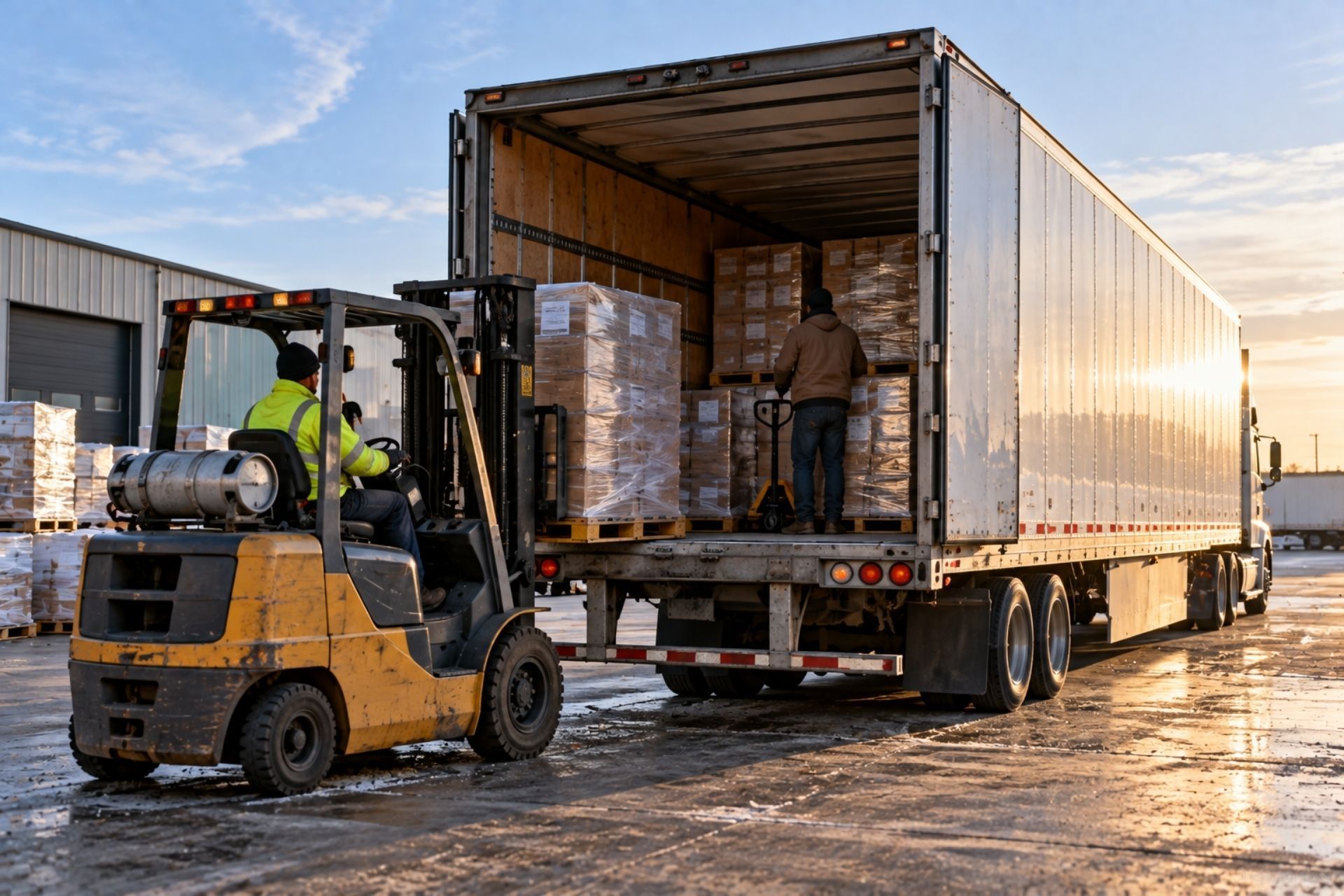
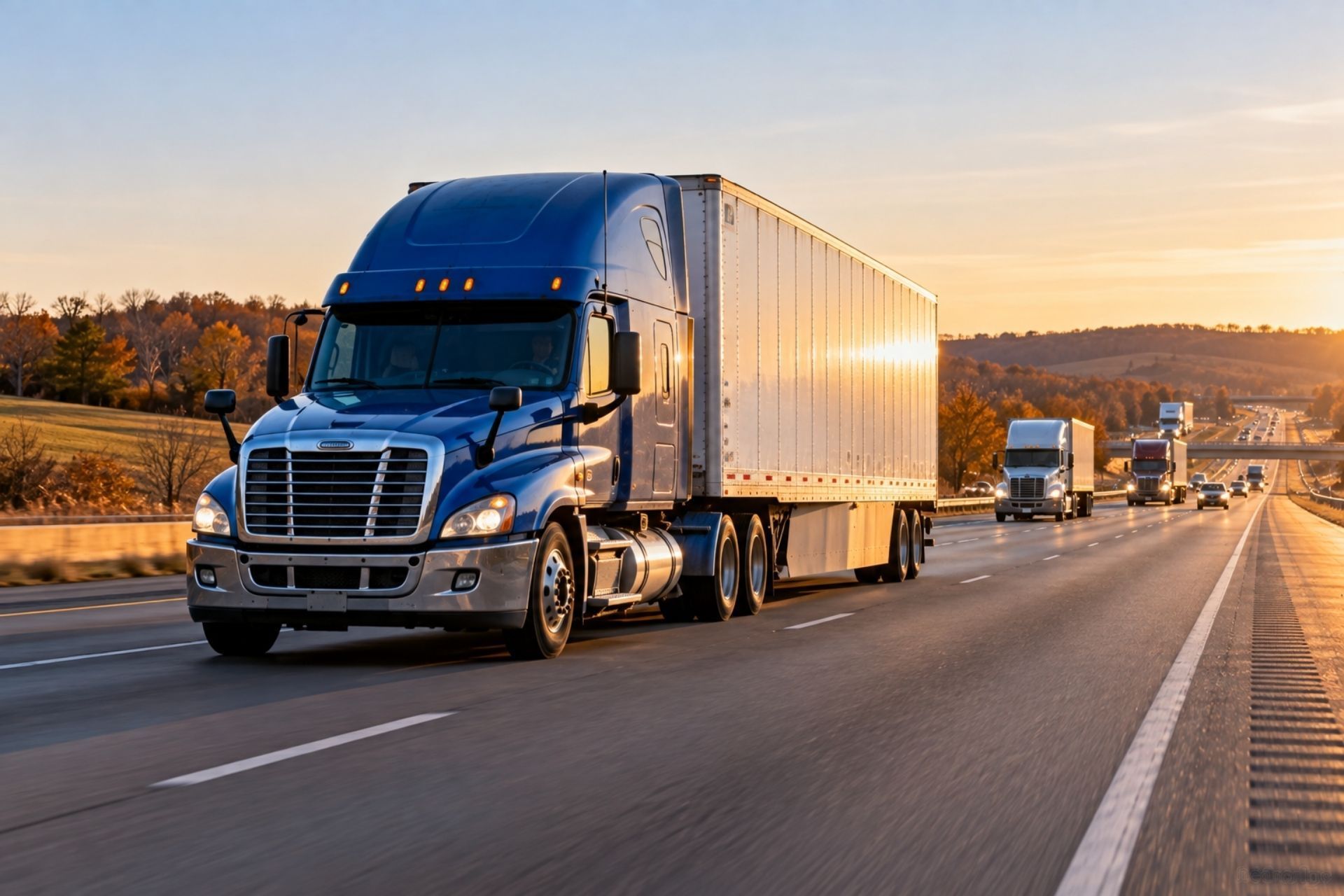
Vacuum trucks and heavy equipment transporters require specialized coverage considerations. These vehicles often exceed standard weight limits, require CDL operators, and face different regulatory requirements than lighter commercial vehicles.
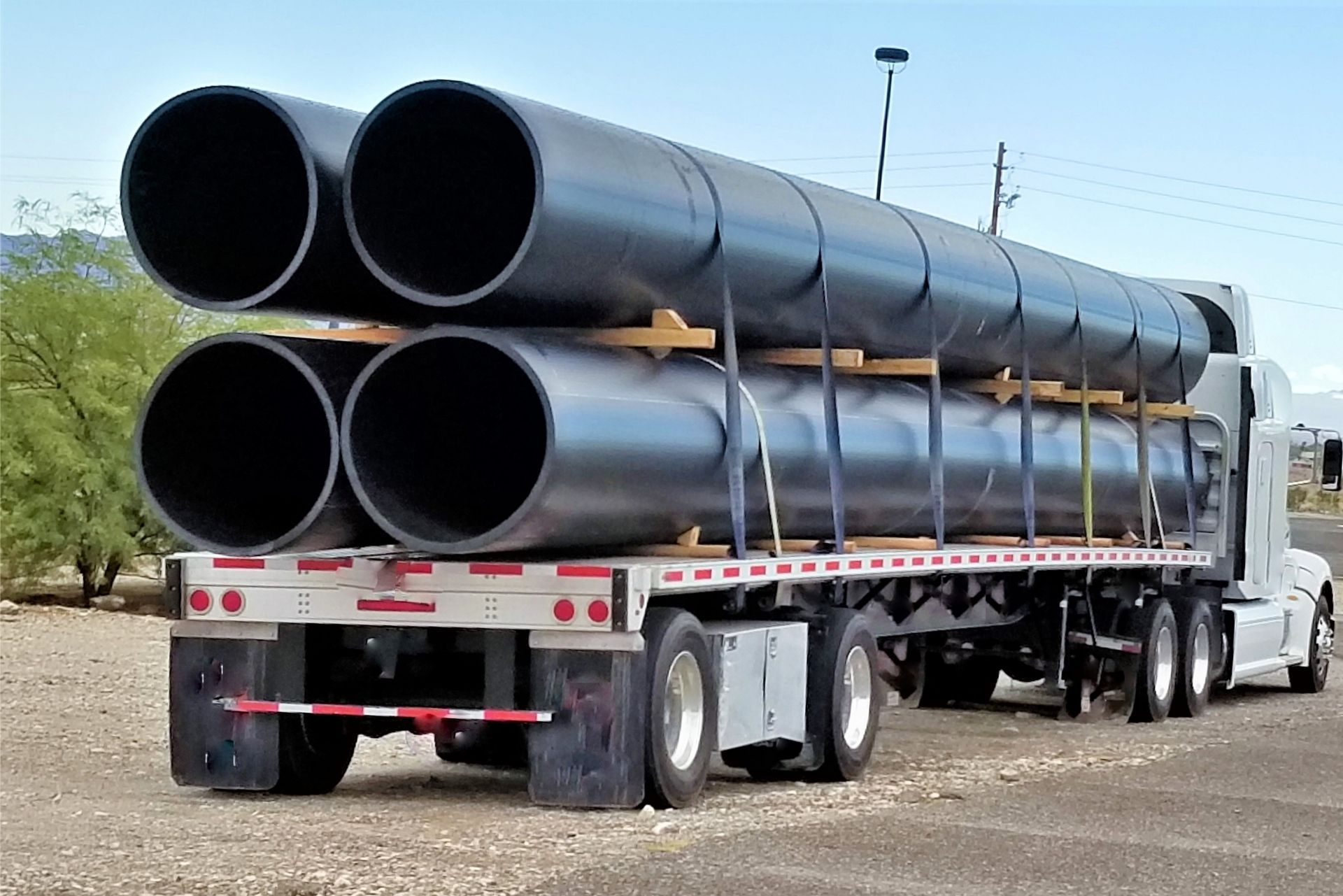
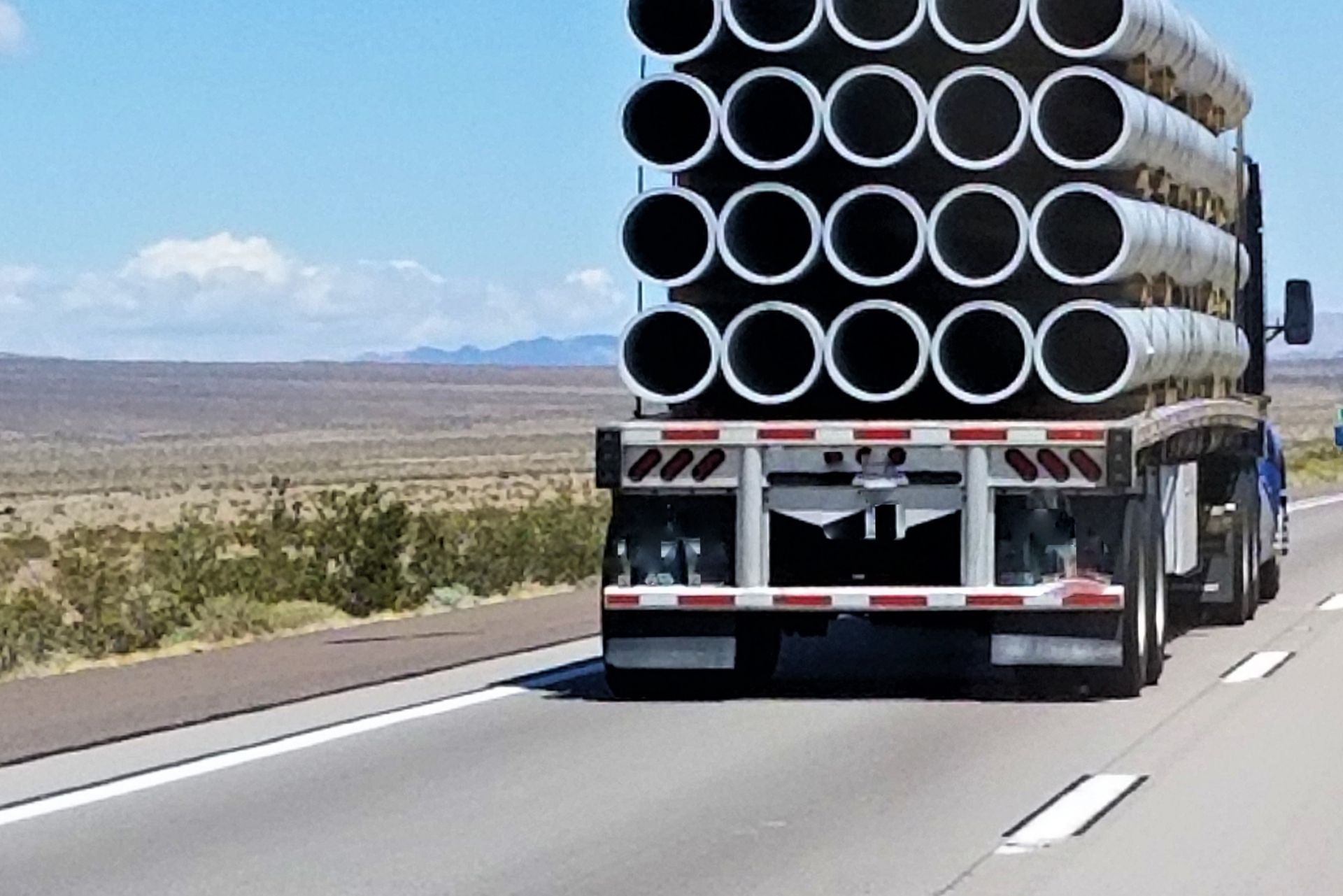
Vacuum trucks carrying drilling spoils may need pollution liability endorsements if those materials contain contaminants. Transport trucks hauling boring rigs on trailers need coverage that extends to the trailer and its cargo. Each vehicle type in your fleet should be individually evaluated for appropriate coverage.
Understanding what drives your premium helps you make informed decisions about coverage and risk management investments.
Impact of Terrain and High-Altitude Driving Conditions
Colorado's geography directly affects insurance costs. Contractors working in mountain communities face steeper grades, more severe weather, and longer emergency response times than those operating exclusively along the Front Range. Insurers recognize these factors and price accordingly.
Winter operations present particular challenges. Icy roads, reduced visibility, and chains requirements all increase accident frequency. Some contractors see premium reductions by limiting mountain operations during winter months or implementing seasonal vehicle storage programs.
Driver Safety Records and MVR Monitoring
Your drivers' motor vehicle records significantly impact premiums. A single DUI or multiple moving violations can increase costs by 25% or more. Most insurers pull MVRs annually, but some offer continuous monitoring programs that catch violations between renewal periods.
Implementing a driver qualification program that sets minimum standards for hiring and continued employment demonstrates risk management commitment to insurers. Many will offer premium credits for documented driver safety programs.
Risk Management and Claims Mitigation Strategies
Proactive risk management reduces both accident frequency and insurance costs over time.
Implementing Telematics and Fleet Tracking
GPS tracking and telematics systems provide real-time visibility into driver behavior, vehicle location, and maintenance needs. Insurers increasingly offer premium discounts of 5-15% for fleets using approved telematics programs.
Beyond insurance savings, telematics data proves invaluable during claims investigations. When another driver claims your truck caused an accident, GPS data showing speed, location, and braking patterns can quickly establish the facts.
Securing Loads and Boring Rods During Transit
Improperly secured loads cause accidents and damage equipment. Boring rods that shift during transport can puncture truck beds, damage following vehicles, or injure workers during unloading. Documented load securement procedures reduce these incidents and demonstrate due diligence if claims arise.
Train all drivers on proper securement methods for each equipment type in your fleet. Conduct regular inspections of tie-downs, chains, and securing hardware. Replace worn equipment before it fails.
Selecting the Right Insurance Partner in the Centennial State
Finding the right insurance partner for your boring operation means looking beyond price alone. You need an agent or broker who understands directional boring equipment, Colorado's regulatory environment, and the specific risks your operation faces.
Ask potential agents about their experience with construction equipment coverage, their claims handling process, and their relationships with insurers who specialize in contractor risks. The cheapest policy often becomes the most expensive when it fails to pay a legitimate claim.
Request sample policy language for equipment coverage and have your attorney review any exclusions that concern you. A good insurance partner will welcome these questions and help you understand exactly what you're buying.
Frequently Asked Questions
Does my commercial auto policy cover equipment theft from my truck? It depends on how the equipment was attached. Permanently mounted items typically fall under comprehensive coverage, while portable tools and detachable equipment usually require separate inland marine coverage.
How much liability coverage do boring contractors typically carry? Most carry $1-2 million in combined single limit liability. Contractors working on government or large commercial projects often need higher limits to meet contract requirements.
Will my rates increase after a not-at-fault accident? Generally no, though some insurers may consider claim frequency regardless of fault. Comprehensive claims like hail damage typically don't affect rates as much as collision claims.
Can I insure leased or rented equipment under my commercial auto policy? Leased vehicles can usually be added to your policy with the lessor listed as loss payee. Short-term rentals often require separate coverage or verification that your policy extends to non-owned vehicles.
What's the difference between scheduled and blanket equipment coverage? Scheduled coverage lists each piece of equipment with specific values. Blanket coverage provides a total limit that applies to all equipment without individual scheduling, offering more flexibility but potentially less precision in valuation.
About The Author:
John R. Thomas
As Commercial Lines Director and Managing Partner at Loft & Co Insurance Services, I specialize in crafting strategic insurance solutions for businesses—especially contractors, real estate owners, logistics firms, and industry-specific operations. With years of experience in risk management and policy design, I’m committed to delivering clarity, value, and protection that helps you focus on growth.
Contact Us
Risk Management from Real Experts With You in Charge
Professional Policies Designed For Your Business.
Enjoy tailored insurance and risk management solutions customized to your industry and business size.

Colorado Commercial Insurance Blog
Contact Us
Phone
Location
Denver
5990 Greenwood Plaza Blvd, Ste 270
Greenwood Village, CO 80111
Des Moines
130 E 3rd St. Ste 201
Des Moines, IA 50309