
General Liability for Colorado Directional Boring

See How We're Different
or call us: 1-800-969-9740
A single frac-out on a Colorado drilling project can cost upward of $500,000 in cleanup, fines, and third-party claims. When drilling fluid breaches the surface near a waterway or residential property, the financial exposure compounds quickly. For contractors running horizontal directional drilling operations across the Front Range and beyond,
general liability insurance isn't optional protection: it's the foundation that keeps your business solvent when underground work goes sideways. Colorado's unique geological challenges, from expansive clay soils along the I-25 corridor to rocky terrain in mountain communities, create risks that generic commercial policies weren't designed to address. Understanding how
general liability insurance for directional boring contractors in Colorado actually works, including what's covered, what's excluded, and what endorsements you need, separates thriving operations from those that fold after a single catastrophic claim.
The Role of General Liability in Colorado Boring Operations
General liability coverage forms the backbone of risk management for any HDD contractor working in Colorado. This protection responds when your operations cause harm to others, whether that's property damage, bodily injury, or certain types of advertising claims.
Defining General Liability for Horizontal Directional Drilling
General liability for HDD contractors covers claims arising from your drilling operations, equipment, and completed work. The policy typically includes premises liability (someone injured at your shop), operations liability (damage during active drilling), and products-completed operations coverage (problems that surface after you've finished a bore).
For directional boring specifically, this means protection when your drill head damages an unmarked gas line, when drilling fluid damages a homeowner's landscaping, or when a pedestrian trips over your equipment staging area. The policy pays for legal defense costs, settlements, and judgments up to your coverage limits.
Why Standard Commercial Policies May Fall Short
Standard commercial general liability policies often contain exclusions that gut coverage for underground contractors. The most common problem involves underground work exclusions that specifically carve out damage caused by drilling, boring, or excavation activities.
Many off-the-shelf policies also exclude pollution-related claims entirely. For HDD work, where bentonite slurry and drilling additives are constantly in play, this exclusion creates massive gaps. You might pay premiums for years, only to discover your policy won't respond when a frac-out contaminates a neighbor's well. Colorado's geology amplifies these risks, making specialized coverage essential rather than optional.

By: John R. Thomas
Commercial Lines Director and Managing Partner at Loft & Co Insurance Services
Key Coverage Components for Directional Boring
Your policy needs specific coverage components tailored to underground construction risks. Generic protection won't address the unique exposures HDD contractors face daily.
Third-Party Property Damage and Utility Strikes
Utility strikes represent the most frequent and costly claims for directional boring contractors. Even with proper locate requests, unmarked or mismarked utilities create liability exposure. Your general liability policy should respond when your bore damages fiber optic cables, gas mains, water lines, or electrical conduits belonging to third parties.
Coverage limits matter significantly here. A damaged telecommunications trunk line can generate claims exceeding $1 million when you factor in repair costs, service interruption damages, and business income losses for affected customers. Many Colorado contractors carry $2 million per-occurrence limits specifically because utility strike claims escalate quickly.
Bodily Injury Liability for Jobsite Accidents
HDD operations create injury risks for workers, subcontractors, and the public. Your general liability policy covers third-party injuries, while workers' compensation handles your employees. The distinction matters because general liability responds when a passerby is injured by equipment, when a subcontractor's employee is hurt due to your negligence, or when someone is harmed by conditions your work created.
Colorado courts have awarded substantial damages in construction injury cases, particularly when permanent disability results. Your policy's bodily injury coverage defends these claims and pays settlements within policy limits.
Products and Completed Operations Coverage
The bore you complete today might fail six months from now. Products and completed operations coverage protects you when completed work causes damage after project completion. If a casing you installed collapses and damages the cable running through it, this coverage responds.
Many contractors undervalue this protection until they face a claim. Colorado's freeze-thaw cycles stress underground installations significantly, and failures often emerge well after final payment. Maintaining adequate completed operations limits protects your business from claims arising from past projects.
Colorado-Specific Regulatory and Environmental Risks
Colorado imposes specific requirements on excavation contractors that directly affect your insurance needs and potential liability exposure.
Adhering to Colorado 811 and Excavation Laws
Colorado's excavation notification law requires contractors to contact 811 at least three business days before digging. The law creates both compliance obligations and liability implications. Failing to request locates, or beginning work before the locate deadline, shifts liability significantly toward the contractor.
Your insurance carrier will scrutinize 811 compliance when evaluating claims. If you struck a utility without proper notification, expect coverage disputes and potential denial. Maintaining documentation of locate requests, wait times, and actual locate marks protects both your coverage and your legal position.
| Compliance Factor | Impact on Coverage |
|---|---|
| Proper 811 notification | Full coverage applies |
| Work before locate deadline | Potential coverage denial |
| Documented locate discrepancies | Stronger defense position |
| No notification on file | Likely coverage exclusion |
Pollution Liability and Frac-Out Coverage
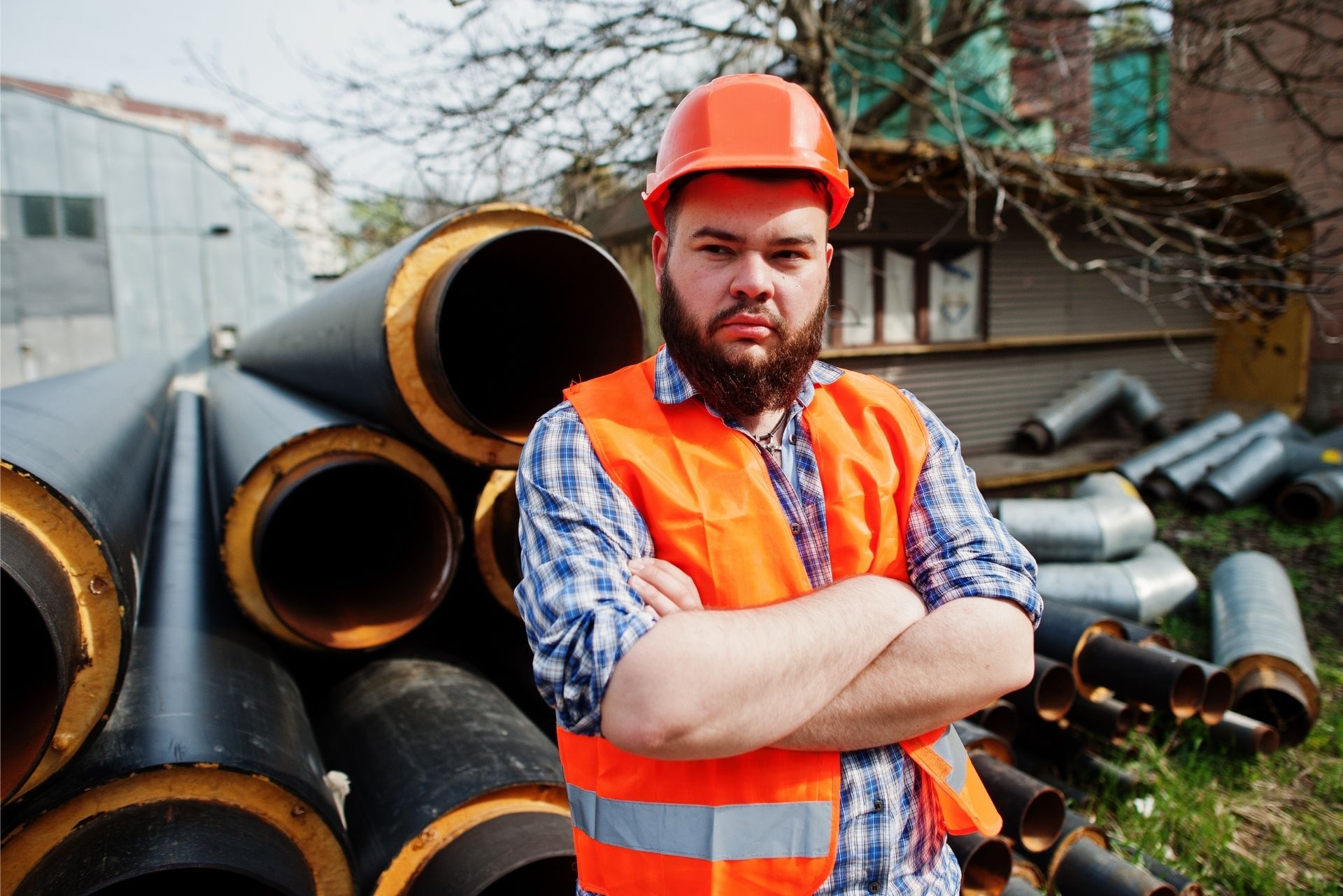
Frac-outs occur when drilling fluid breaches the surface through fractures in the formation. In Colorado, where many bores cross near streams, wetlands, and residential wells, pollution liability becomes critical. Standard general liability policies typically exclude pollution claims, leaving contractors exposed.
You'll need a pollution liability endorsement or separate environmental policy to cover frac-out cleanup costs, regulatory fines, and third-party contamination claims. Colorado's Department of Public Health and Environment takes water contamination seriously, and cleanup orders can reach six figures before you've addressed any private claims.
Underground Damage Endorsements and Exclusions
The fine print in your policy determines whether you actually have coverage when underground work causes damage. Understanding exclusions and necessary endorsements prevents costly surprises.
The Importance of XCU Coverage
XCU stands for explosion, collapse, and underground damage. Many standard policies exclude all three categories, effectively eliminating coverage for most HDD-related claims. You need explicit XCU coverage, either included in your base policy or added via endorsement.
Without XCU coverage, your policy won't respond when your bore causes a building foundation to settle, when drilling creates a sinkhole, or when underground work damages existing utilities. For general liability insurance for directional boring contractors in Colorado, XCU coverage isn't optional: it's fundamental.
Common Policy Exclusions to Monitor
Beyond the XCU exclusion, watch for these coverage gaps in your policy:
- Damage to property in your care, custody, or control
- Contractual liability exclusions affecting indemnification obligations
- Professional liability exclusions for design work
- Damage to your own work or product
- Employment-related practices exclusions
Review your policy annually with an agent who understands HDD operations. Exclusions that seem irrelevant can become critical when claims arise.
Premium calculations for HDD contractors involve multiple variables specific to your operations, equipment, and safety history.
Project Depth and Soil Composition Variables
Deeper bores and challenging soil conditions increase premium costs. Underwriters recognize that drilling through Colorado's varied geology, from stable granite to problematic bentonite clay, creates different risk profiles. Contractors working primarily in stable formations may qualify for better rates than those regularly drilling through expansive soils.
Your typical project depth also affects pricing. Shallow utility installations carry different risks than deep river crossings or major infrastructure bores. Providing underwriters with accurate descriptions of your typical work helps ensure appropriate pricing.
Safety Records and Experience Modification Rates
Your experience modification rate, or EMR, significantly influences premiums. This number reflects your workers' compensation claims history compared to industry averages. An EMR below 1.0 indicates better-than-average safety performance and typically reduces both workers' comp and general liability premiums.
Maintaining strong safety programs, documenting training, and investigating near-misses demonstrates risk management commitment to underwriters. Contractors with formal safety programs and clean claims histories often secure coverage 15-25% below standard rates.
Securing Robust Protection for Boring Contractors
Protecting your directional boring operation requires more than purchasing the cheapest available policy. You need coverage that actually responds when claims arise, with limits adequate for Colorado's exposure levels and endorsements addressing HDD-specific risks.
Work with an agent or broker experienced in construction and underground contractor insurance. They'll understand the endorsements you need, the exclusions to eliminate, and the coverage limits appropriate for your project types. Request certificates from your carrier confirming XCU coverage and pollution liability protection before bidding projects that require them.
Frequently Asked Questions
What coverage limits should Colorado HDD contractors carry? Most contractors carry $1 million per occurrence with $2 million aggregate limits. Larger projects or municipal contracts often require higher limits, achievable through umbrella policies.
Does general liability cover damage to utilities I'm installing? No. Damage to your own work or materials falls outside general liability coverage. You'll need installation floater or contractor's equipment coverage for that protection.
How does a utility strike claim affect my future premiums? Significant claims typically increase premiums at renewal. Frequency matters more than severity: multiple small claims often hurt worse than one larger claim.
Can I get coverage if I've had previous claims? Yes, though your options narrow with adverse claims history. Specialty markets exist for contractors with challenging histories, though premiums will be higher.
Is pollution coverage included in standard GL policies?
Rarely. Most standard policies exclude pollution entirely. You'll need a pollution liability endorsement or separate environmental policy for frac-out and contamination coverage.
About The Author:
John R. Thomas
As Commercial Lines Director and Managing Partner at Loft & Co Insurance Services, I specialize in crafting strategic insurance solutions for businesses—especially contractors, real estate owners, logistics firms, and industry-specific operations. With years of experience in risk management and policy design, I’m committed to delivering clarity, value, and protection that helps you focus on growth.
Contact Us
Risk Management from Real Experts With You in Charge
Professional Policies Designed For Your Business.
Enjoy tailored insurance and risk management solutions customized to your industry and business size.

Colorado Commercial Insurance Blog


Contact Us
Phone
Location
Denver
5990 Greenwood Plaza Blvd, Ste 270
Greenwood Village, CO 80111
Des Moines
130 E 3rd St. Ste 201
Des Moines, IA 50309