
Assault and Battery Exclusions for Bars

See How We're Different
or call us: 1-800-969-9740
A
bar owner in Austin recently watched a $380,000 judgment land on her desk after a bouncer shoved a patron into a parking lot curb. Her general liability policy? It excluded the claim entirely because it stemmed from a physical altercation. Stories like this play out across the country every year, and they expose a coverage gap that catches too many
hospitality operators off guard. Assault and battery exclusions in
bar insurance create real financial danger, particularly when security incidents, legal defense costs, and liquor-related claims overlap. The shift in the insurance market has been dramatic: A&B coverage sublimits have dropped from the traditional $1 million to a
new normal of roughly $250,000, leaving bar owners with far less protection than they might assume. If you own or manage a bar, nightclub, or any
venue that serves alcohol, understanding how these exclusions work isn't optional. It's the difference between surviving a lawsuit and closing your doors. This guide breaks down the specific policy mechanics, common claim scenarios, defense cost traps, and coverage options you need to know in 2026.
Most commercial insurance policies written for bars and nightclubs contain some form of assault and battery exclusion or limitation. These provisions remove or restrict coverage for bodily injury claims that arise from physical altercations on your premises, regardless of who started the fight. The exclusion typically applies whether the violence involves patrons, staff, or outside parties.
What makes these exclusions particularly tricky is their broad language. Many policies define "assault and battery" to include not just the act of violence itself, but any claim "arising out of" or "related to" an assault. That means your negligent security claim, your failure-to-train allegation, and your inadequate lighting lawsuit can all get swept into the exclusion, even if you weren't the one throwing punches.
Why General Liability Often Falls Short
Your standard commercial general liability (CGL) policy is built to cover slip-and-fall injuries, product liability, and similar premises claims. It's not designed to handle the unique risks that come with serving alcohol in a social environment where tempers flare. Most CGL policies either contain an absolute A&B exclusion or a sublimited endorsement that caps coverage at a fraction of your overall policy limit.
Here's what that means in practice: you might carry $1 million in general liability coverage but only have $100,000 or $250,000 available for any assault-related claim. A single incident involving hospitalization, surgery, or traumatic brain injury can blow past that sublimit before you even reach the courtroom. Bar owners who haven't reviewed their A&B coverage provisions recently are often shocked to discover how little protection they actually carry.
The Difference Between Physical Altercations and Verbal Threats
Insurance policies draw a line between physical contact and verbal confrontations, but that line isn't always where you'd expect it. A verbal threat that causes someone to fear imminent harm can qualify as an "assault" under tort law, even without physical contact. Battery requires actual physical contact or offensive touching.
Your policy language matters here. Some exclusions trigger on any "assault," which could include verbal threats and intimidation. Others are limited to "assault and battery," requiring physical contact. Read the exact wording of your endorsement. A patron who claims emotional distress from a bouncer's verbal threat might fall outside a narrowly worded exclusion but squarely inside a broader one.
By: John R. Thomas
Commercial Lines Director and Managing Partner at Loft & Co Insurance Services
Common Scenarios: From Security Failures to Bouncer Conduct
The claims that hit bars hardest rarely involve simple patron-on-patron fights. They involve allegations that the bar itself failed in some duty of care. Understanding the most common scenarios helps you prepare your risk management strategy and identify where your coverage might have gaps.
Negligent Security Claims and Property Safety
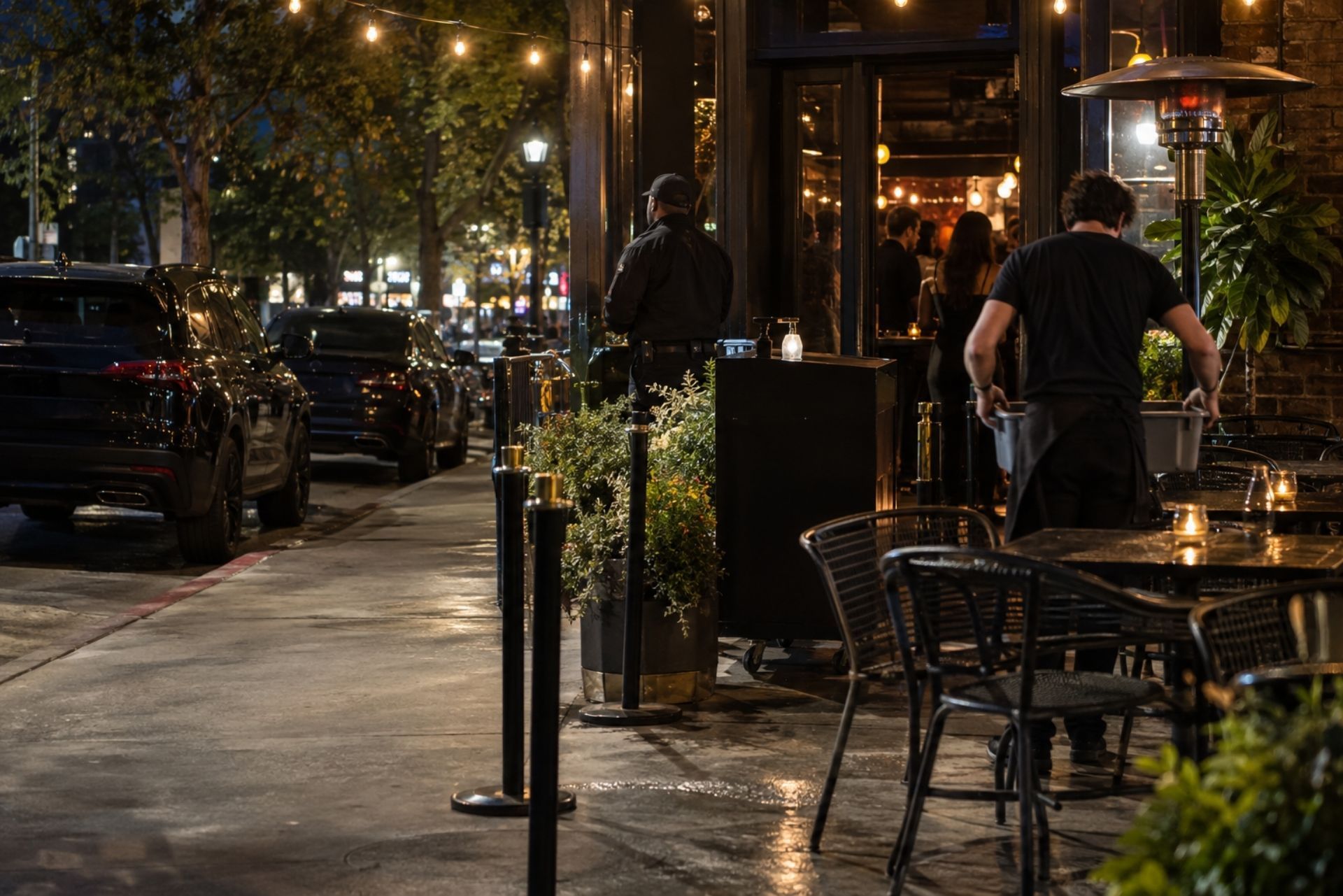
A patron gets jumped in your parking lot at 1:30 a.m. The lot had one working light out of four, no security camera, and your single bouncer was inside handling a separate dispute. The injured patron sues you for negligent security, arguing you failed to maintain a reasonably safe environment.
These claims are expensive because they're hard to defend. Plaintiff attorneys will pull your incident reports, interview former employees, and subpoena your security staffing records. If you've had prior incidents in the same area and didn't increase security, you're looking at a foreseeability argument that's tough to beat. The real problem? Your insurer may deny the claim entirely because it "arose out of" an assault, even though your alleged negligence is the core theory of liability.
Excessive Force Allegations Against Staff
Bouncer-related lawsuits represent some of the highest-value claims in the bar industry. When a security employee uses force that goes beyond what's reasonable to remove a patron, the bar faces vicarious liability. Broken bones, concussions, and facial injuries from bouncer encounters routinely generate six-figure claims.
Training documentation is your first line of defense here. If you can show your security staff completed a certified training program, followed written use-of-force protocols, and documented the incident properly, you're in a much stronger position. But even with solid training records, your insurance policy may still classify the claim as an A&B event and apply the exclusion or sublimit.
The Intersection of Liquor Liability and Violent Incidents
Liquor liability and assault claims often arrive in the same lawsuit. A patron gets overserved, starts a fight, and injures another customer. The injured party sues your bar under both theories: you served an obviously intoxicated person (dram shop liability) and you failed to prevent the assault (negligent security). These overlapping claims create a coverage puzzle because different policy provisions may apply to different parts of the same incident.
Most states have some version of dram shop laws that hold alcohol-serving establishments responsible for injuries caused by intoxicated patrons. Your liquor liability policy is supposed to cover these claims, but rising costs and tightening underwriting standards are making that coverage harder to secure and more expensive to maintain.
How Intoxication Triggers Exclusion Clauses
Here's where it gets complicated. If a claim involves both overservice and a resulting assault, your insurer may argue that the assault exclusion applies to the entire claim, not just the battery portion. Some policies contain language stating that the A&B exclusion applies to "any injury arising out of or related to" an assault, which can swallow the liquor liability component whole.
The policy's order of precedence matters. If your liquor liability coverage is an endorsement on the same CGL policy that contains the A&B exclusion, the exclusion may override the liquor coverage. Separate, standalone liquor liability policies generally provide better protection in these dual-theory lawsuits because the A&B exclusion on your CGL doesn't reach into a different policy. This distinction is critical for bars and nightclubs operating in states with aggressive dram shop statutes.
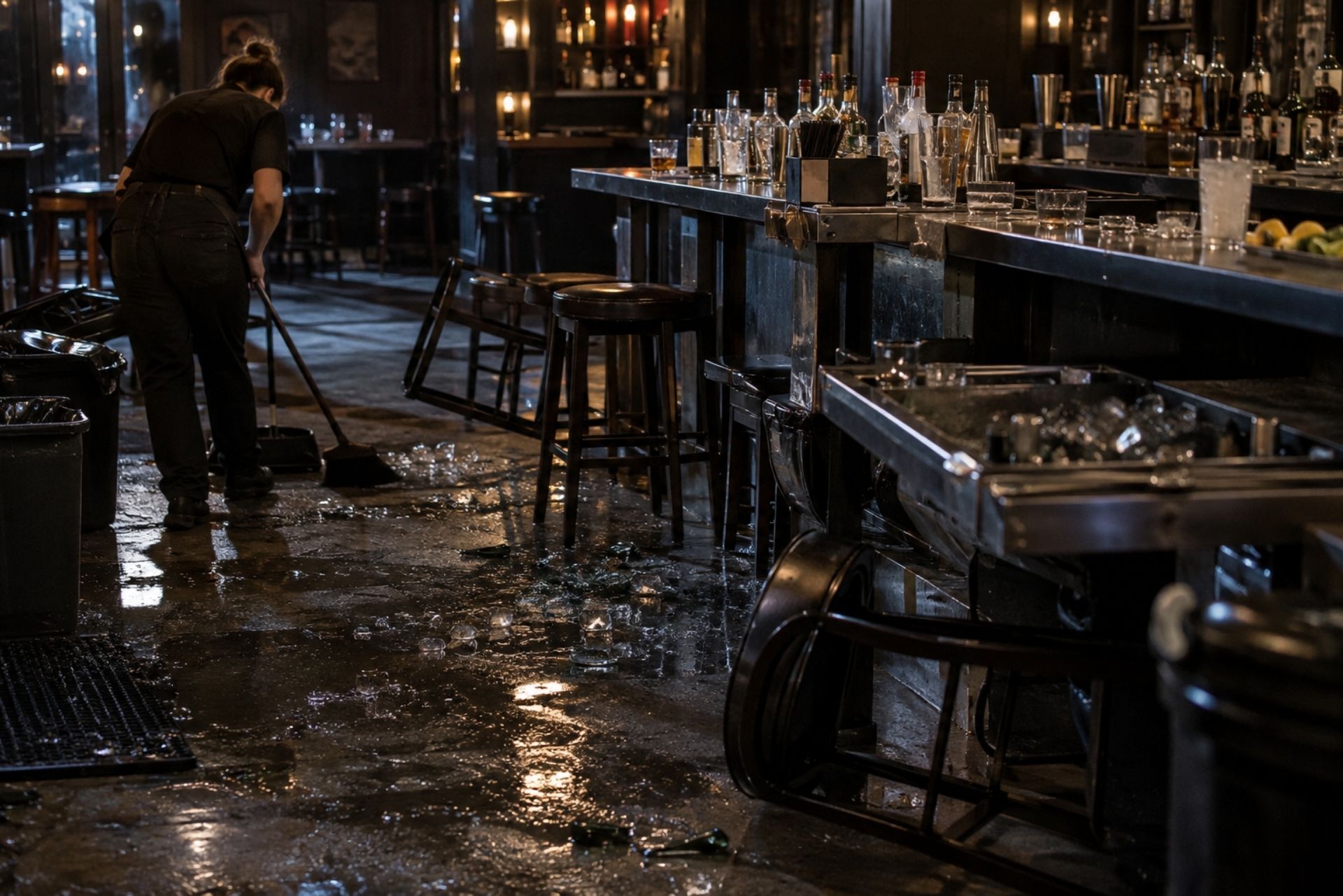
Even if your policy ultimately covers a claim, the cost of defending the lawsuit can devastate a small bar's finances. Legal defense in assault-related litigation runs anywhere from $30,000 to $150,000 or more, depending on the jurisdiction and complexity. And many bar owners don't realize that their A&B sublimit may include defense costs within the coverage cap.
Duty to Defend vs. Indemnification
These are two separate obligations, and your policy may handle them differently for A&B claims. The duty to defend means your insurer pays for your lawyer and manages the litigation. The duty to indemnify means your insurer pays any resulting judgment or settlement.
Some policies with A&B exclusions eliminate both obligations. Others maintain a duty to defend but exclude indemnification, or vice versa. A policy that defends you but won't pay the judgment still provides real value: defense costs alone can be crippling. But a policy that does neither leaves you hiring your own attorney and paying any judgment out of pocket. Check whether your policy's defense costs erode the sublimit. If you have a $250,000 A&B sublimit and $100,000 goes to legal fees, you've only got $150,000 left for any settlement or verdict.
Managing Out-of-Pocket Legal Fees During Litigation
When your insurer denies coverage or reserves rights on an A&B claim, you need a plan. Retain an attorney experienced in insurance coverage disputes immediately, separate from any attorney handling the underlying injury claim. Filing a declaratory judgment action to force your insurer to defend can sometimes be faster and cheaper than paying defense costs yourself.
Build a litigation reserve fund into your operating budget. Even $500 per month set aside creates a buffer. Document every incident meticulously: video footage, witness statements, and incident reports created within hours of the event. This documentation doesn't just help your defense. It helps your coverage attorney argue that the claim doesn't actually fall within the A&B exclusion.
Comparing Coverage: Standard GL vs. Assault & Battery Buy-Backs
A&B buy-back endorsements restore some or all of the coverage that the standard exclusion removes. They're available from specialty insurers and surplus lines markets, though costs vary significantly based on your venue type and claims history. Understanding the differences between your options is essential before your next renewal.
Coverage Comparison Table
| Feature | Standard CGL with A&B Exclusion | CGL with A&B Sublimit | A&B Buy-Back / Standalone |
|---|---|---|---|
| Patron-on-patron fights | Not covered | Covered up to sublimit | Covered up to full policy limit |
| Bouncer excessive force | Not covered | Covered up to sublimit | Covered up to full policy limit |
| Negligent security claims | Often excluded | May be covered | Typically covered |
| Defense costs | Not covered | Usually inside sublimit | Often outside limit (check policy) |
| Typical limit available | $0 | $100K-$250K | $500K-$1M+ |
| Annual premium impact | Base rate | Moderate increase | $2,000-$10,000+ additional |
| Liquor liability overlap | No coverage | Partial, depends on wording | Better coordination possible |
The buy-back option costs more, but for any bar with regular late-night hours, live entertainment, or a history of incidents, it's a necessary expense. One uncovered claim can easily exceed a decade of additional premium payments.
FAQ: What Bar Owners Frequently Ask
Does my general liability policy cover bar fights? Most standard CGL policies exclude or severely limit coverage for injuries arising from assaults and batteries. You'll need to read your specific policy's A&B endorsement to know your actual coverage level.
Can I be sued if two patrons fight each other and I wasn't involved? Yes. Plaintiffs routinely sue bar owners under negligent security theories, arguing you should have prevented the fight through better staffing, lighting, monitoring, or intervention. Your involvement isn't required for liability to attach.
What's the difference between liquor liability and assault and battery coverage? Liquor liability covers claims arising from serving alcohol to intoxicated persons. A&B coverage addresses physical altercation claims. A single incident can trigger both, and your policy may handle them under different provisions with different limits.
How much does an A&B buy-back endorsement cost? Premiums range from roughly $2,000 to $10,000 or more annually, depending on your venue size, location, hours of operation, entertainment type, and loss history.
Will my rates go up after a single assault claim? Almost certainly. Even one A&B claim can trigger non-renewal or significant premium increases at your next renewal. Some carriers will drop you entirely, pushing you into the surplus lines market.
Should I carry a separate liquor liability policy or an endorsement? A standalone liquor liability policy generally provides stronger protection because it operates independently from your CGL's A&B exclusion. Endorsements are cheaper but may be subject to the same exclusions embedded in your base policy.
Protecting Your Establishment's Bottom Line
The insurance market for bars and nightclubs has tightened considerably, and A&B coverage is one of the areas where the squeeze is most painful. Sublimits are lower, exclusions are broader, and insurers are scrutinizing hospitality risks more carefully than they have in years.
Your best defense combines smart coverage purchasing with aggressive risk management. Invest in security training programs, install and maintain camera systems, enforce responsible service policies, and document everything. Work with a broker who specializes in hospitality and understands how to structure bar insurance around security incidents, defense costs, and liquor-related claims. Don't wait until a claim hits to discover what your policy actually covers. Pull out your declarations page and exclusion endorsements today, read them carefully, and have an honest conversation with your agent about where the gaps are. That conversation is worth far more than the time it takes.
About The Author:
John R. Thomas
As Commercial Lines Director and Managing Partner at Loft & Co Insurance Services, I specialize in crafting strategic insurance solutions for businesses—especially contractors, real estate owners, logistics firms, and industry-specific operations. With years of experience in risk management and policy design, I’m committed to delivering clarity, value, and protection that helps you focus on growth.
Contact Us
Risk Management from Real Experts With You in Charge
Professional Policies Designed For Your Business.
Enjoy tailored insurance and risk management solutions customized to your industry and business size.

Colorado Commercial Insurance Blog


Contact Us
Phone
Location
Denver
5990 Greenwood Plaza Blvd, Ste 270
Greenwood Village, CO 80111
Des Moines
130 E 3rd St. Ste 201
Des Moines, IA 50309