
Colorado Painting Contractor Insurance

See How We're Different
or call us: 1-800-969-9740
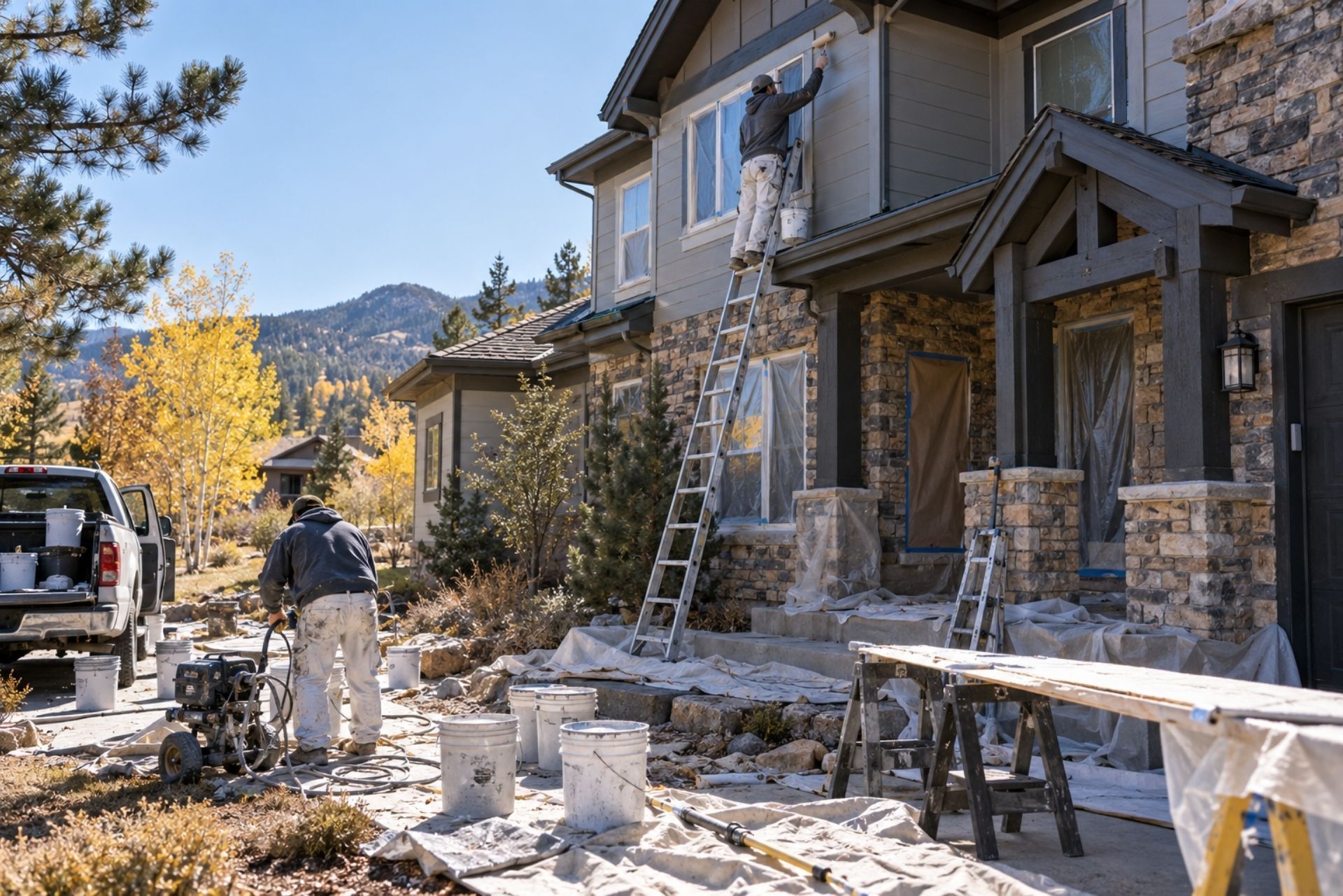
A single overspray claim from a neighbor's freshly painted Tesla can cost more than your annual insurance premium. A ladder fall on a three-story Victorian in Denver's Highlands neighborhood can put a crew member out of work for months. And if your team disturbs lead paint in a pre-1978 home without proper containment, you're looking at EPA fines that start at five figures. Painting contractor insurance in Colorado covers a unique set of risks, from overspray and ladder accidents to lead paint liability and workers' compensation obligations, that generic business policies simply don't address well.
Colorado's mix of historic homes, rapid new construction, and extreme weather patterns creates a risk profile unlike most other states. High-altitude UV exposure accelerates exterior paint failure, pushing more contractors toward exterior work with its inherent fall and overspray hazards. The state's booming Front Range corridor means you're often working alongside expensive vehicles, neighboring properties, and tight urban lots where a gust of wind can turn a routine spray job into a property damage claim. Getting the right coverage isn't just a legal checkbox; it's the difference between surviving a bad claim and shutting your doors.
Essential Insurance Coverages for Colorado Painters
Every painting contractor needs a layered insurance strategy. A single policy type won't cover the range of exposures you face on a daily basis. The three core coverages below form the foundation of a solid protection plan, and skipping any one of them creates a gap that could drain your business accounts after a single incident.
General Liability for Property Damage and Bodily Injury
General liability (GL) is your first line of defense. It covers third-party bodily injury and property damage, meaning if a homeowner trips over your drop cloths or you accidentally damage a client's hardwood floor with a paint spill, GL responds. Small residential painting contractors in Colorado can expect GL premiums to range between $500 and $2,500 per year, depending on revenue and crew size.
Here's a critical gap most painters don't know about: standard GL policies in 2026 classify airborne paint as a "pollutant", which means overspray drift that damages a neighbor's car or siding is often excluded from your base GL policy. You'll need a specific endorsement or a standalone Contractors Pollution Liability (CPL) policy to fill that hole. CPL policies for painters typically run between $1,800 and $5,000 per year, but they also cover lead dust exposure and VOC-related claims, making them worth every dollar if you do any exterior or renovation work.
Tools and Equipment Coverage (Inland Marine)
Your sprayers, pressure washers, scaffolding, and ladders represent a significant investment. A standard commercial property policy usually covers items stored at your business location, but inland marine insurance protects those tools while they're in transit or on a job site. If someone steals your airless sprayer from a work van overnight or your scaffolding collapses during transport, inland marine picks up the tab.
One thing to keep in mind: Colorado's hail season can damage equipment left on exterior job sites. Make sure your inland marine policy covers weather-related losses, not just theft and accidental damage. Premiums are typically modest, often a few hundred dollars annually for $10,000 to $50,000 in tool coverage, but the payout after a single theft can justify years of premiums.
Professional Liability for Design and Color Consultations
If you offer color consultations, finish recommendations, or design services, professional liability (also called errors and omissions) protects you when a client claims your advice caused them financial harm. This might sound unlikely, but imagine recommending an exterior stain that fails within six months because it wasn't rated for Colorado's UV intensity. The client wants a full redo, and they're pointing the finger at your recommendation.
Professional liability is separate from GL. It covers the financial consequences of your professional advice, not physical damage you cause with your hands. Not every painting contractor needs this coverage, but if you market consultation services or sign off on product selections, it's a smart addition.
By: John R. Thomas
Commercial Lines Director and Managing Partner at Loft & Co Insurance Services
Colorado State Requirements and Legal Compliance
Colorado doesn't require general liability insurance for painting contractors at the state level, but many municipalities and general contractors mandate it before you can pull a permit or step onto a job site. The real mandatory coverage is workers' compensation, and the penalties for non-compliance are steep.
Workers' Compensation Laws in Colorado
Colorado law requires workers' compensation insurance for all employers, with very limited exceptions. If you have even one employee, including part-time or seasonal crew members, you must carry workers' comp. Sole proprietors can exempt themselves, but subcontractors you hire without their own policies may be considered your employees under Colorado's Division of Workers' Compensation rules.
Pinnacol Assurance is Colorado's state-designated workers' comp carrier and often serves as the insurer of last resort. That said, you're not locked into Pinnacol. Private carriers compete aggressively on painting contractor rates, so comparing Pinnacol's quote against two or three private carriers annually is a smart move. Your Experience Modification Rate (EMR) plays a huge role here: an EMR above 1.0 signals higher-than-average claims history and pushes your premiums up, while a clean record below 1.0 can earn meaningful discounts.
Ladder falls are the most common workers' comp claim in the painting industry. Colorado's mountain communities and multi-story Front Range homes increase fall exposure significantly. Investing in fall protection training and documenting it can help keep your EMR low and your premiums manageable.
Commercial Auto Insurance for Work Vans and Trucks
If you own vehicles used for business, Colorado requires commercial auto insurance. Personal auto policies exclude business use, so if your crew member gets into an accident while driving a company van loaded with paint and equipment, your personal policy won't pay the claim.
Commercial auto covers liability, collision, and comprehensive damage for your fleet. Colorado's icy winter roads and I-25 corridor traffic make this coverage especially relevant. Hired and non-owned auto endorsements are also worth considering if employees ever use their personal vehicles for work errands.
Comparing Policy Types: General Liability vs. Professional Liability
Painters often confuse these two coverages or assume one handles everything. They protect against fundamentally different risks, and understanding the distinction helps you avoid buying the wrong policy or carrying a dangerous gap.
Comparison Table: Coverage Scope and Value
| Feature | General Liability (GL) | Professional Liability (PL) |
|---|---|---|
| What it covers | Third-party bodily injury, property damage | Financial loss from professional advice or errors |
| Typical claim example | Paint spill damages a client's furniture | Recommended coating fails prematurely |
| Covers physical damage you cause? | Yes | No |
| Covers bad advice or design errors? | No | Yes |
| Required by most GCs? | Yes | Rarely |
| Typical annual cost (small contractor) | $500 - $2,500 | $400 - $1,500 (https://thumanninsuranceagency.com/blog/professional-liability-insurance-cost) |
| Overspray coverage? | Usually excluded (needs CPL endorsement) | No |
The key takeaway from this table: GL and PL don't overlap. If you're only carrying GL and a client sues over a product recommendation gone wrong, you're paying that claim out of pocket. If you only carry PL and your crew damages a client's property, same problem.
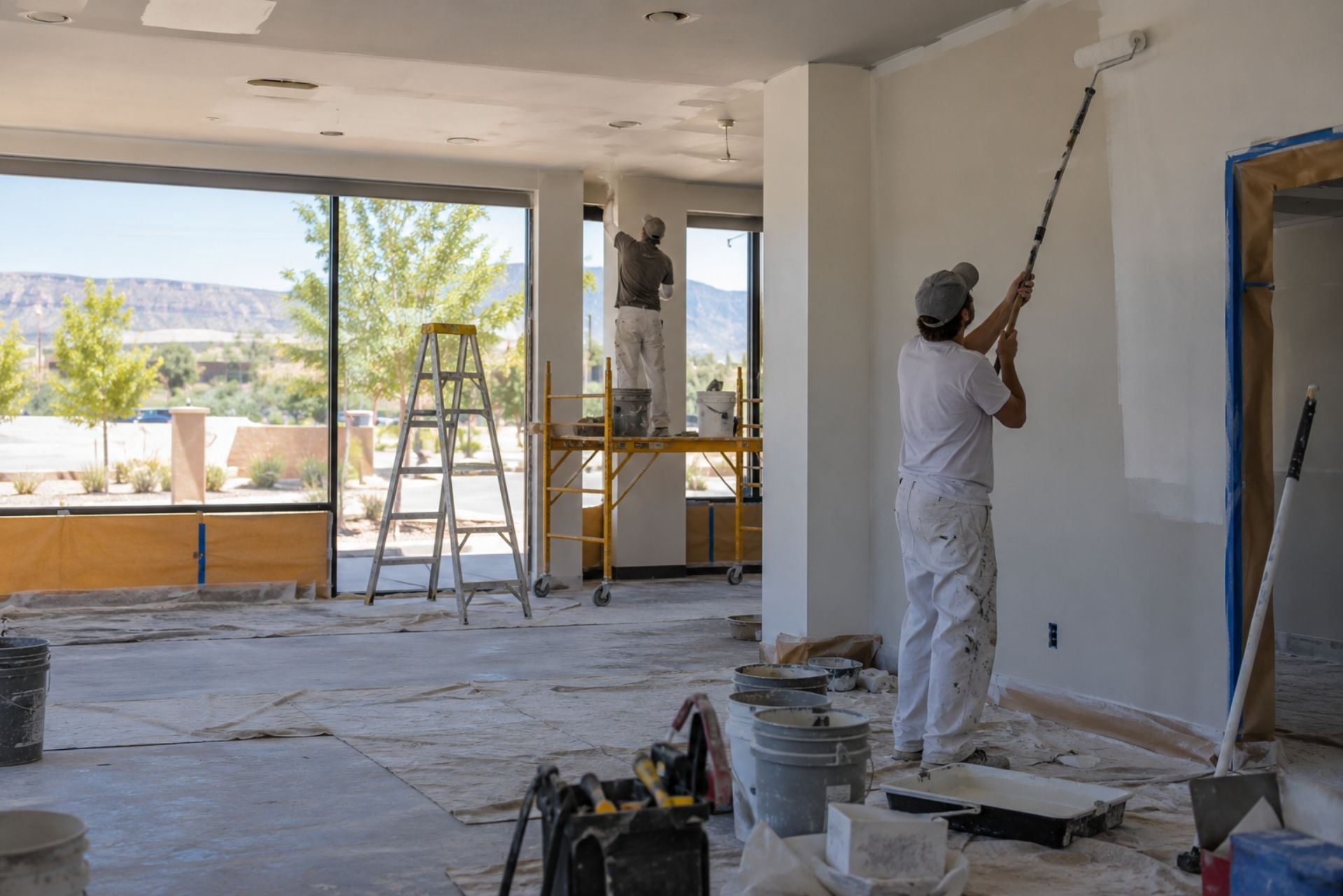
Insurance pricing for painting contractors isn't one-size-fits-all. Carriers evaluate your specific risk profile, and several variables can swing your annual premiums by thousands of dollars.
Residential vs. Commercial Project Risks
Commercial painting projects, especially those involving multi-story buildings, industrial coatings, or occupied spaces, carry higher liability exposure than single-family residential work. Carriers price accordingly. Exterior painting contractors in Colorado generally pay roughly double the GL premiums of interior-only crews because of heightened fall and overspray risks.
If your business handles both residential and commercial work, your carrier will rate you based on your highest-risk activity. Some contractors split their operations into separate entities to manage this, though that approach has its own legal and administrative costs.
Experience Levels and Claims History
Your claims history over the past three to five years is the single biggest factor in your premium calculation. A clean record earns preferred rates, while even one significant claim can increase your costs for years. Your EMR, calculated by the National Council on Compensation Insurance (NCCI), directly multiplies your workers' comp base rate.
Here's a practical example: if your base workers' comp premium is $8,000 and your EMR is 1.25 due to a prior ladder fall claim, you're paying $10,000 instead. Drop that EMR to 0.85 through three clean years, and the same base rate costs you $6,800. That $3,200 annual difference adds up fast. Investing in safety programs, proper ladder training, and modified-duty return-to-work programs for injured employees (like assigning them to equipment inventory or safety documentation) directly reduces your long-term insurance spend.
Common Questions About Painting Insurance in Colorado
FAQ: Coverage Limits, Costs, and Requirements
Do I need insurance if I'm a sole proprietor with no employees? Colorado doesn't require sole proprietors to carry workers' comp for themselves, but most general contractors and property managers will require you to show a GL certificate before you can work on their projects. Going without GL limits the jobs you can bid on.
How much does a typical painting contractor insurance package cost in Colorado? A small residential operation might pay $500 to $2,500 for GL, $1,800 to $5,000 for pollution liability if doing exterior or renovation work, and workers' comp rates that vary based on payroll and EMR. Total annual costs for a two-to-three person crew often land between $4,000 and $12,000.
Does my general liability policy cover overspray damage? Usually not. Standard GL policies treat airborne paint as a pollutant and exclude overspray drift damage. You'll need a Contractors Pollution Liability policy or a specific GL endorsement to cover these claims.
What happens if I hire a subcontractor who doesn't have insurance? Colorado's Division of Workers' Compensation may treat uninsured subcontractors as your employees, making you responsible for their workers' comp coverage. Always verify certificates of insurance before letting a sub onto your job site.
Are lead paint claims covered under standard GL? Typically no. Lead dust and debris fall under pollution exclusions in most GL policies. A CPL policy is the standard way to cover lead-related claims, which is especially important if you work on pre-1978 homes in Colorado's older neighborhoods.
How often should I review my policy?
At minimum, annually, and any time your business changes significantly. Adding employees, taking on commercial work, or expanding into exterior painting all shift your risk profile and may require policy adjustments.
Protecting Your Business Assets Long-Term
Building a painting business in Colorado takes years of reputation, client relationships, and reinvested profits. A single uninsured claim can erase all of that. The contractors who survive long-term treat insurance not as an overhead expense but as a core business tool, right alongside their sprayers and ladders.
Start by working with a broker who specializes in contractor insurance rather than a generalist agent. Specialists understand the nuances of pollution exclusions, the difference between occurrence and claims-made policies, and how to structure coverage for Colorado's specific regulatory environment. Compare quotes annually, and don't just look at premium price. Review exclusions, sub-limits, and deductibles carefully.
Your next step should be an honest risk audit. List every service you offer, every type of property you work on, and every piece of equipment you own. Match each risk to a specific coverage. Where gaps exist, fill them before the next claim forces you to discover them the hard way. Colorado's painting market rewards contractors who show up prepared, insured, and professional, and the right insurance package is what keeps you in the game when things go sideways.
About The Author:
John R. Thomas
As Commercial Lines Director and Managing Partner at Loft & Co Insurance Services, I specialize in crafting strategic insurance solutions for businesses—especially contractors, real estate owners, logistics firms, and industry-specific operations. With years of experience in risk management and policy design, I’m committed to delivering clarity, value, and protection that helps you focus on growth.
Contact Us
Risk Management from Real Experts With You in Charge
Professional Policies Designed For Your Business.
Enjoy tailored insurance and risk management solutions customized to your industry and business size.

Colorado Commercial Insurance Blog



Contact Us
Phone
Location
Denver
5990 Greenwood Plaza Blvd, Ste 270
Greenwood Village, CO 80111
Des Moines
130 E 3rd St. Ste 201
Des Moines, IA 50309